In a remarkable turn of events, the once industrious coal mines of Cumberland are being repurposed to pave the way for a sustainable energy future. Through collaboration with the University of Victoria's Accelerating Community Energy Transformation (ACET) initiative, the town is investigating how its abandoned mine shafts can serve as a source of clean energy.
Central to this initiative is the Cumberland District Energy project, where researchers are examining the potential of utilizing water trapped in the old mine system to generate geothermal energy. This innovative approach aims to provide heating and cooling solutions for buildings across the community.
Mayor Vickey Brown envisions this project as a transformative step for Cumberland, which is already celebrated for outdoor activities like mountain biking and hiking. She believes it can also position the town as a leader in clean energy innovation. "This initiative will showcase Cumberland's history while embracing a sustainable energy future," she asserts, highlighting the dual benefit of utilizing a bygone resource to foster cleaner energy solutions.
Utilizing Underground Water for Temperature Regulation
The concept is built on a straightforward yet effective principle: the water residing deep within abandoned mines maintains a more stable temperature than the surface air. ACET project lead Zachary Gould explains that this temperature differential can be harnessed through heat pumps, which will draw on the underground water to manage indoor climates efficiently.
This system promises to deliver energy at a low cost while minimizing carbon emissions. According to Emily Smejkal from the Cascade Institute, the project functions as a large ground-source heat exchanger, capable of serving a significant portion of the town.
Geological mapping efforts have already outlined the extent of the underground network, allowing researchers to estimate its energy potential. Initial focus areas include a proposed civic redevelopment site featuring a community center, municipal buildings, and affordable housing, along with an industrial area near Comox Lake.
"This energy system is not just about power; it's about rethinking resource extraction in a village historically tied to such practices," Gould notes, suggesting that this initiative could transform remnants of the past into valuable community assets.
A Legacy of Coal Mining
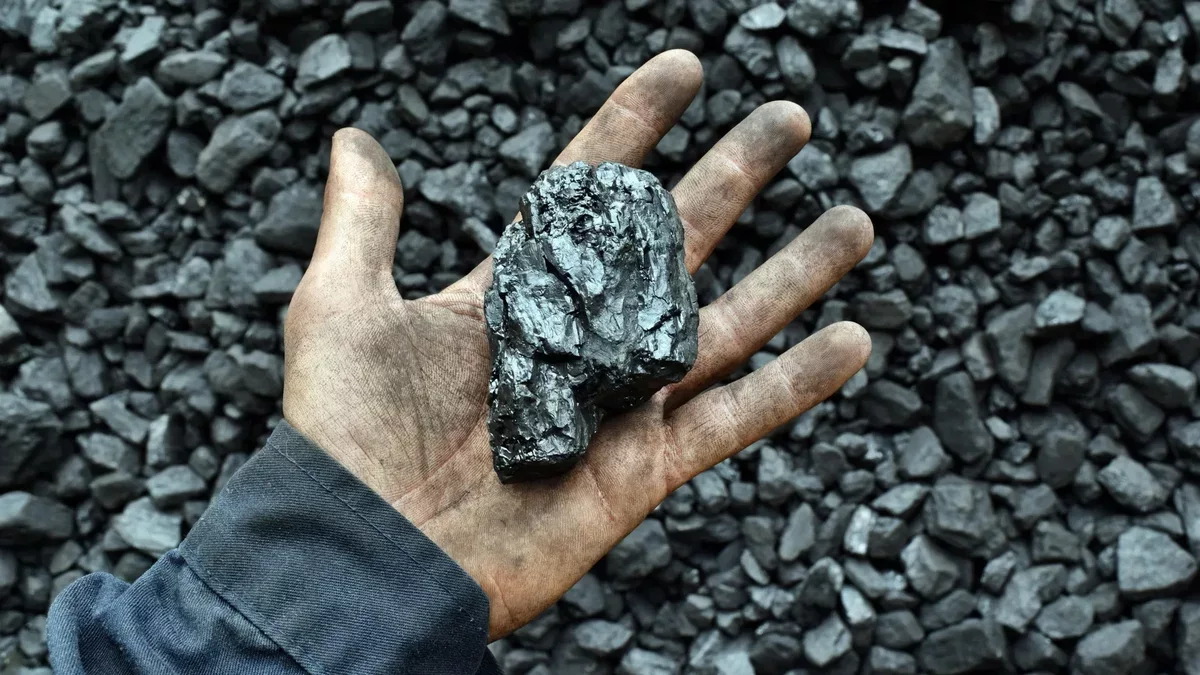
Cumberland's identity has been intertwined with coal mining since 1888, during which approximately 16 million tonnes of coal were extracted. This resource fueled various industries and contributed significantly to the local economy. However, the mining legacy also brought challenges, including unsafe working conditions and environmental concerns.
Repurposing these abandoned mines for clean energy does not erase this history; instead, it offers a constructive way to honor it. Historian Dawn Copeman emphasizes the positive reception of the geothermal project compared to previous coal mining proposals, indicating a shift towards more sustainable practices.
From Concept to Reality
The idea to utilize mine water for geothermal energy emerged from discussions among local geologists. While traditional geothermal drilling posed challenges, the existing mine water presented a more feasible solution for regulating seasonal temperature variations.
Similar initiatives have succeeded in other former mining communities, demonstrating the viability of this approach. Mayor Brown, inspired by an ACET webinar, identified an opportunity for her community to explore this innovative energy system.
If successful, this pilot project could redefine energy use in Cumberland, attracting businesses that rely on stable temperatures and potentially creating jobs while enhancing community well-being. "This model of harnessing existing resources could lead to a more resilient future for our town," Brown concludes.