AI interpretability company Goodfire has introduced a new monitoring approach designed to help organizations oversee AI agents more efficiently. Available to customers of AI infrastructure platform Baseten, the system examines a model's internal activity while it processes tasks rather than reviewing only its final outputs.
Monitoring AI from the inside
Goodfire's technology uses lightweight detectors, known as probes, to analyze internal neural signals during each stage of an AI agent's work. When a probe identifies a pattern that may require attention, a separate model can perform a more detailed assessment.
This layered structure aims to reduce the computing resources typically required for AI oversight. Conventional monitoring systems often rely on another AI model to repeatedly evaluate an agent's full stream of actions and text. Goodfire's probes instead reuse calculations already produced during the model's normal processing cycle.
Lower costs and faster responses
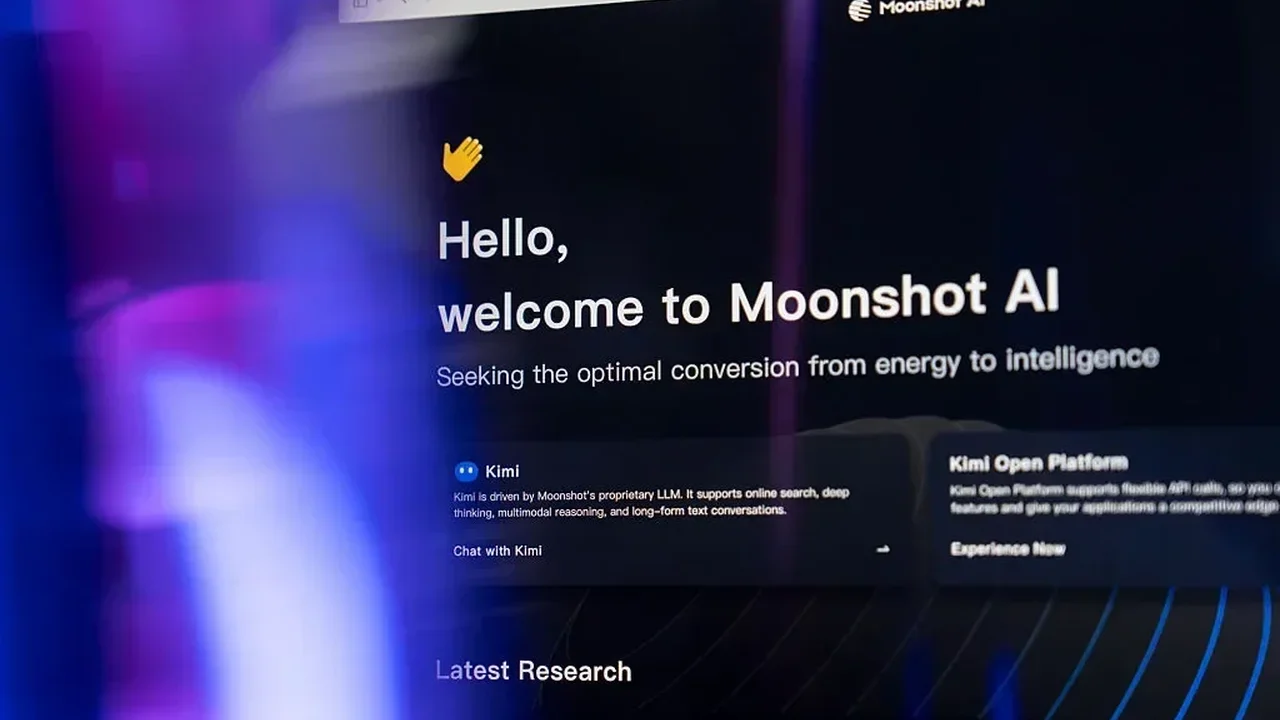
In tests involving the open-weight model Kimi K3, Goodfire reported that monitoring roughly 1,500 sessions cost about $51. The company said comparable review methods using a lower-cost model would cost around $233, while premium monitoring models could reach approximately $10,000.
The probes identified 94% of simulated harmful hacking-related sessions, while 8.7% of benign sessions were escalated for additional review. Goodfire also said that operating four probes simultaneously increased initial response time by less than 2%.
Organizations can configure the system around their own risk policies and choose whether flagged activity is recorded, directed to a human reviewer, or automatically declined. The design is particularly relevant for developers deploying open AI models at scale.
Goodfire's initiative builds on the growing field of mechanistic interpretability, which seeks to understand how AI models form decisions internally. Similar research has informed misuse-detection probes explored by Google DeepMind.
As AI agents take on more complex workflows, internal monitoring could help turn model oversight into a more precise, scalable and accessible engineering practice.