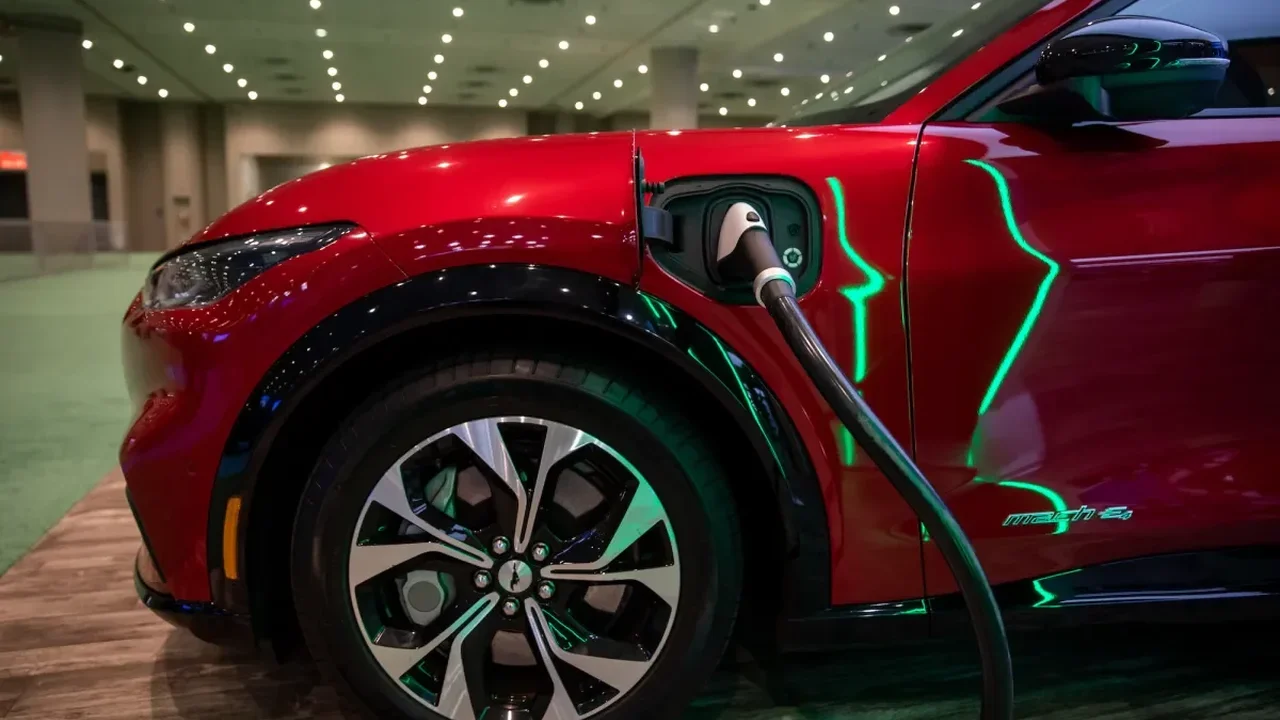
Nestled within the iconic architecture of General Motors' expansive Warren Tech Center near Detroit, a new facility marks a pivotal moment in the automaker's ambitious $900 million investment in electric vehicles (EVs).
The Battery Cell Development Center, spanning 500,000 square feet, may appear unremarkable from the outside, but it holds the potential to reduce the cost of GM's EVs by nearly 10%. This facility is crucial as GM aims to accelerate the launch of cost-effective batteries, bringing them to market a year ahead of schedule.
While some automotive companies are scaling back their EV initiatives, GM is committed to revitalizing its strategy. The new center is expected to play a vital role in introducing a new generation of affordable batteries.
Kurt Kelty, GM's Vice President of Battery and Sustainability, emphasizes the importance of a new battery chemistry called LMR (lithium-manganese-rich). Having previously led battery technology at Tesla, Kelty sees LMR as a cornerstone of GM's future battery lineup.
Transforming Battery Production
The evolution of GM's EV offerings has reflected broader trends in the U.S. battery industry, which has faced challenges and competition, particularly from Chinese manufacturers. To adapt, GM is pivoting from its previous reliance on the expensive NMC (nickel-manganese-cobalt) battery chemistry to the more cost-effective LMR. This new chemistry is nearly as energy-dense as NMC but is priced competitively with lower-end battery types.
When introduced, LMR was projected to maintain the impressive range of vehicles like the Chevrolet Silverado EV while reducing costs by at least $6,000, bringing it closer to traditional gasoline models.
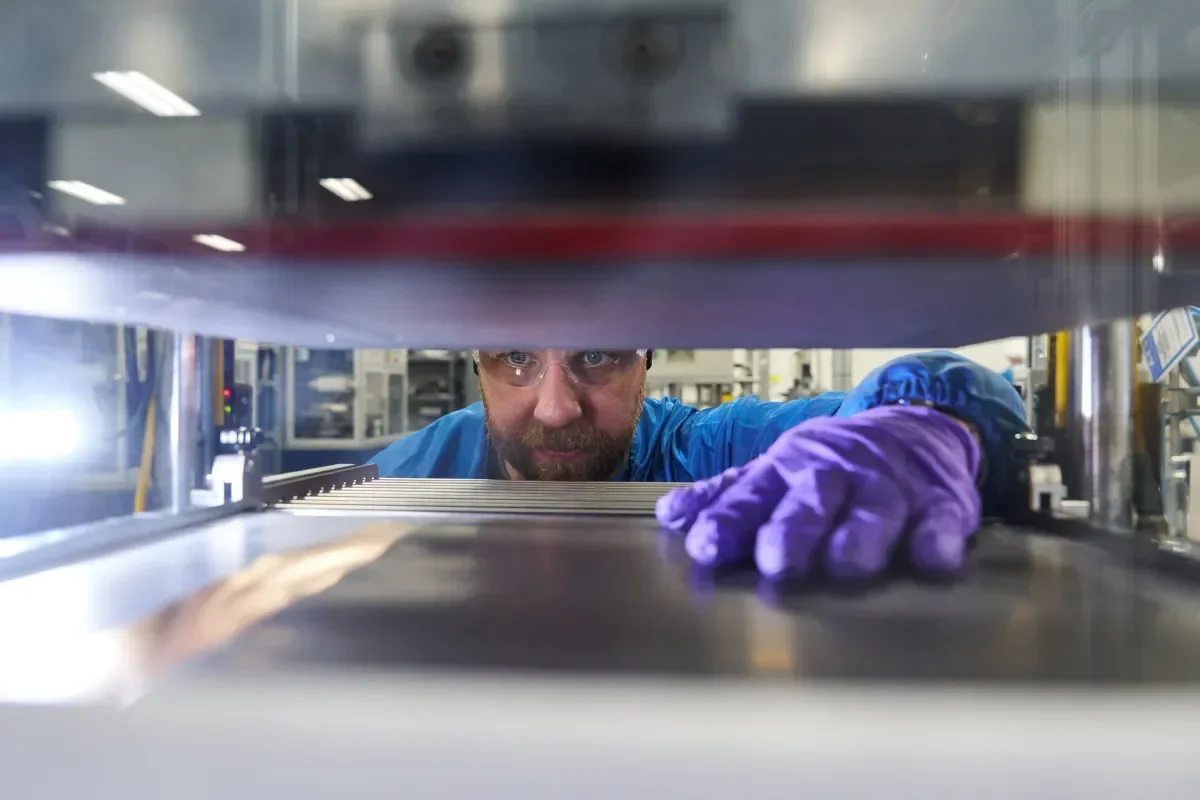
However, the challenge lies not only in discovering new battery chemistries but also in successfully scaling production. The Battery Cell Development Center (BCDC) will serve as a pilot line capable of producing approximately 2,500 cells daily, facilitating the transition from small-scale research to mass production.
Bridging Innovation and Production
The BCDC is designed to connect the innovative breakthroughs from GM's Wallace Battery Cell Research Center to the larger production facilities. It aims to streamline the manufacturing process, ensuring that new battery technologies can be efficiently translated into commercial viability.
Utilizing advanced AI models, GM is optimizing its production processes to enhance efficiency and reduce costs. This investment in technology allows the company to simulate various production scenarios, significantly cutting down on development time and expenses.
The global EV market continues to expand, growing by 20% last year despite recent challenges in the U.S. If GM can successfully implement LMR, it will not only meet consumer demand for affordable EVs but also contribute to the broader shift away from fossil fuels.
As the automotive industry evolves, the significance of battery development will rival that of engine technology in the past century. GM's success in navigating this transition will be critical to its electric future.
Ultimately, the Battery Cell Development Center represents a forward-thinking approach that could redefine the landscape of electric vehicles, making sustainable transportation more accessible for all.