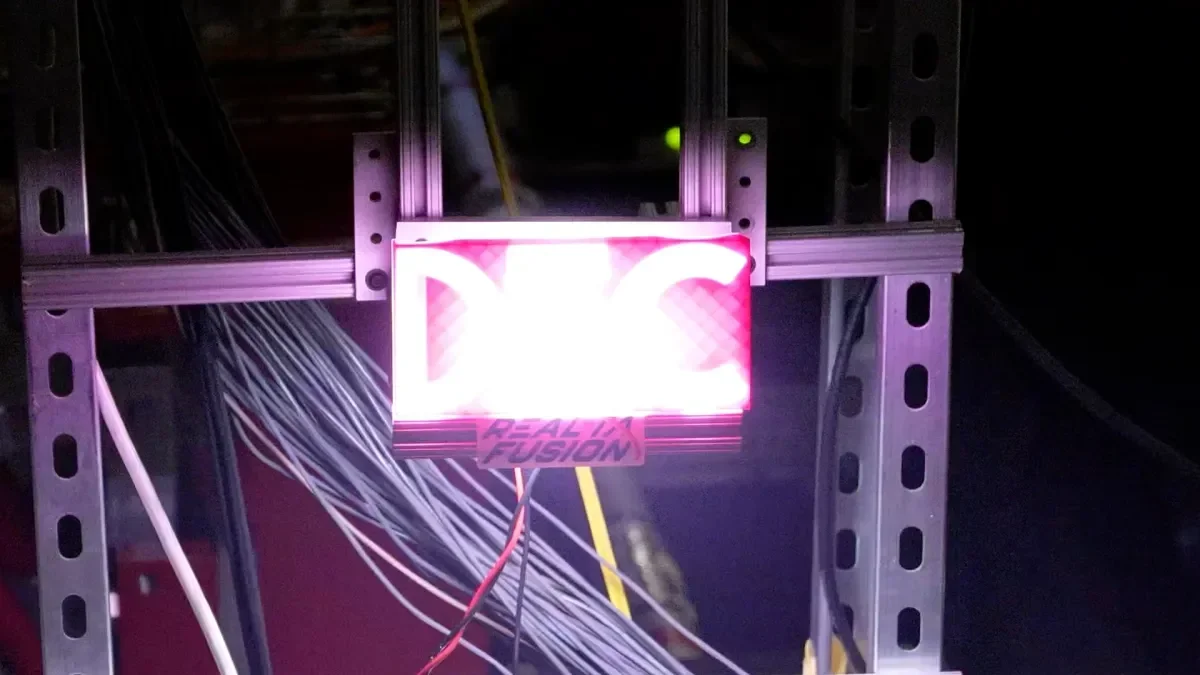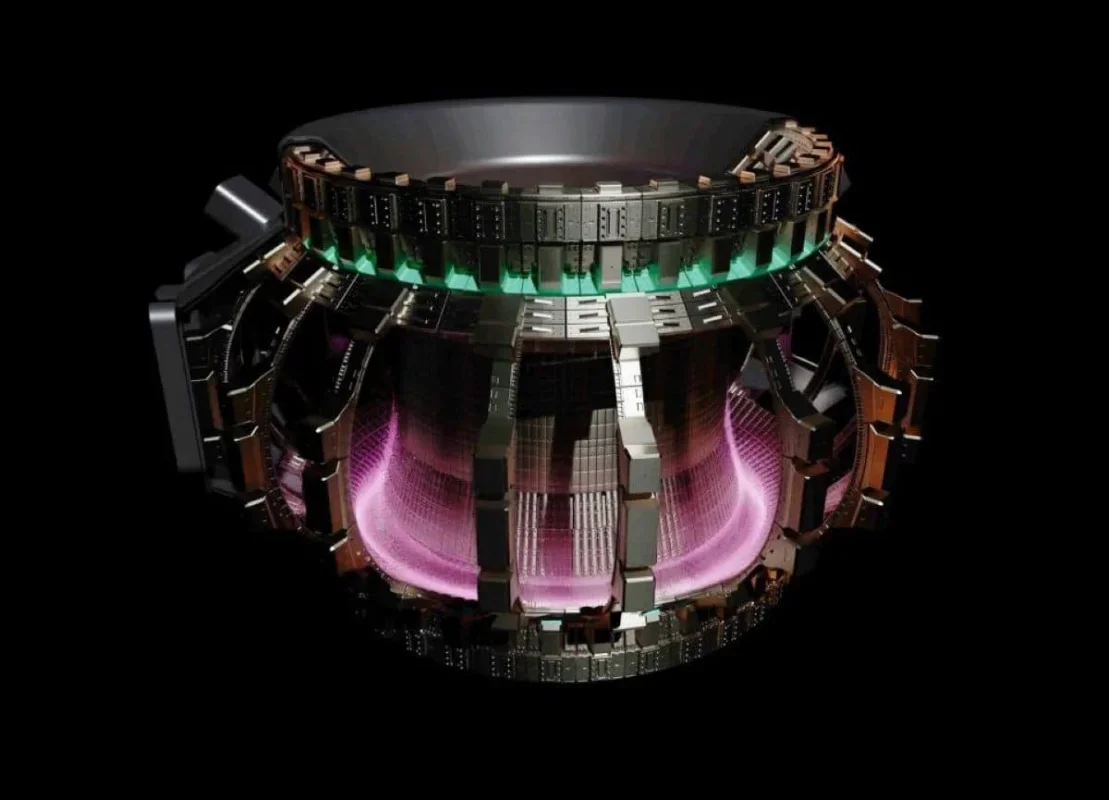
Madison-based Realta Fusion has reported a notable step in fusion research: using plasma motion to generate electricity directly, lighting several bulbs in a test on the University of Wisconsin-Madison's WHAM device.
The experiment used a direct energy conversion approach, which captures the charge and speed of escaping plasma particles and turns that motion into current. In the test, the system produced multiple amps at roughly 100 volts, showing that the concept can work on a fusion plasma.
A Different Path to Power
Traditional power systems usually rely on heat, steam, and turbines. Realta's method aims to bypass part of that chain by converting particle energy before it is lost as heat. The company says it is the first private fusion firm to demonstrate this technique on a fusion machine.
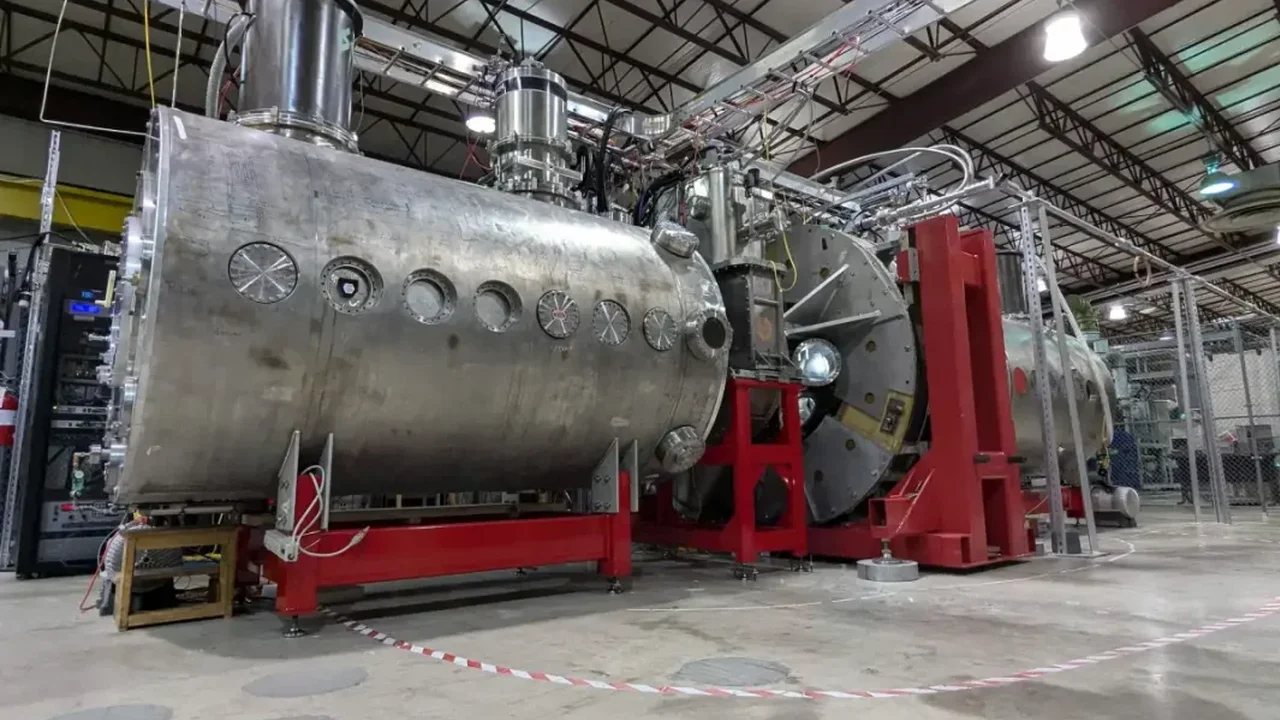
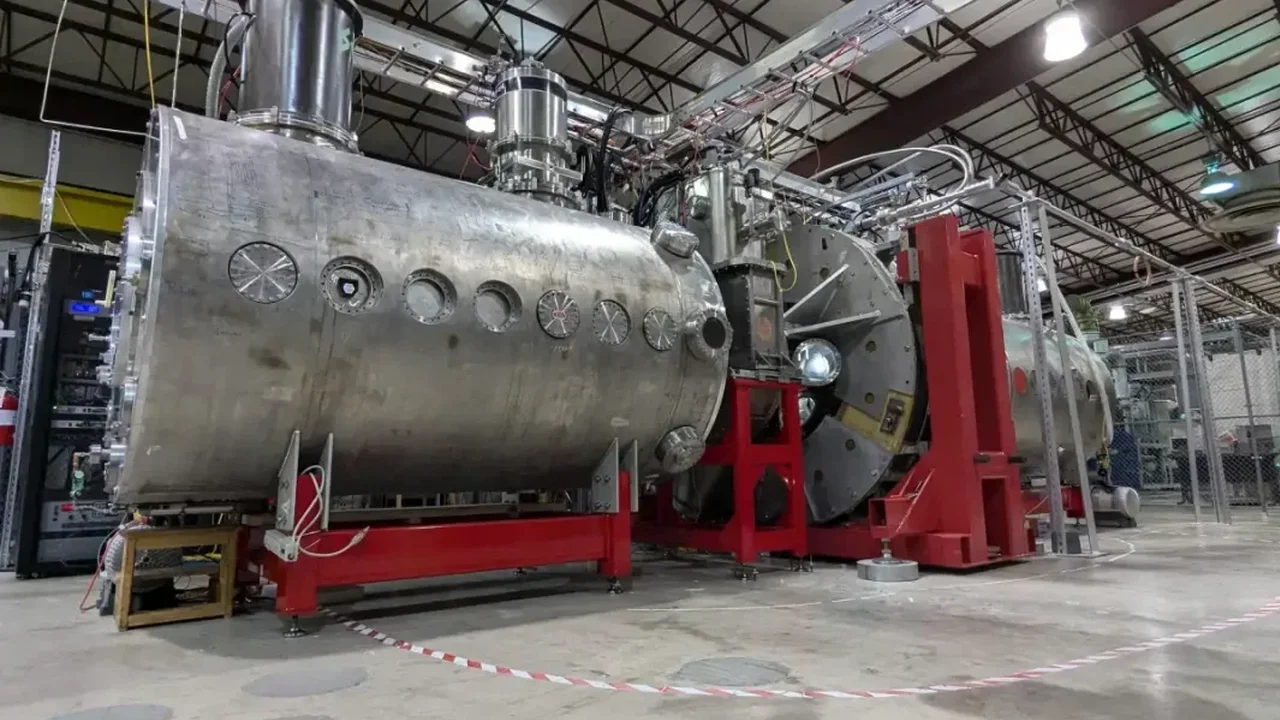
The test took place on WHAM, a magnetic mirror device that holds superhot plasma with strong magnetic fields. Because the containment is not perfect, some particles naturally escape through the ends. Realta designed its converter to capture some of that outgoing energy instead of letting it go to waste.
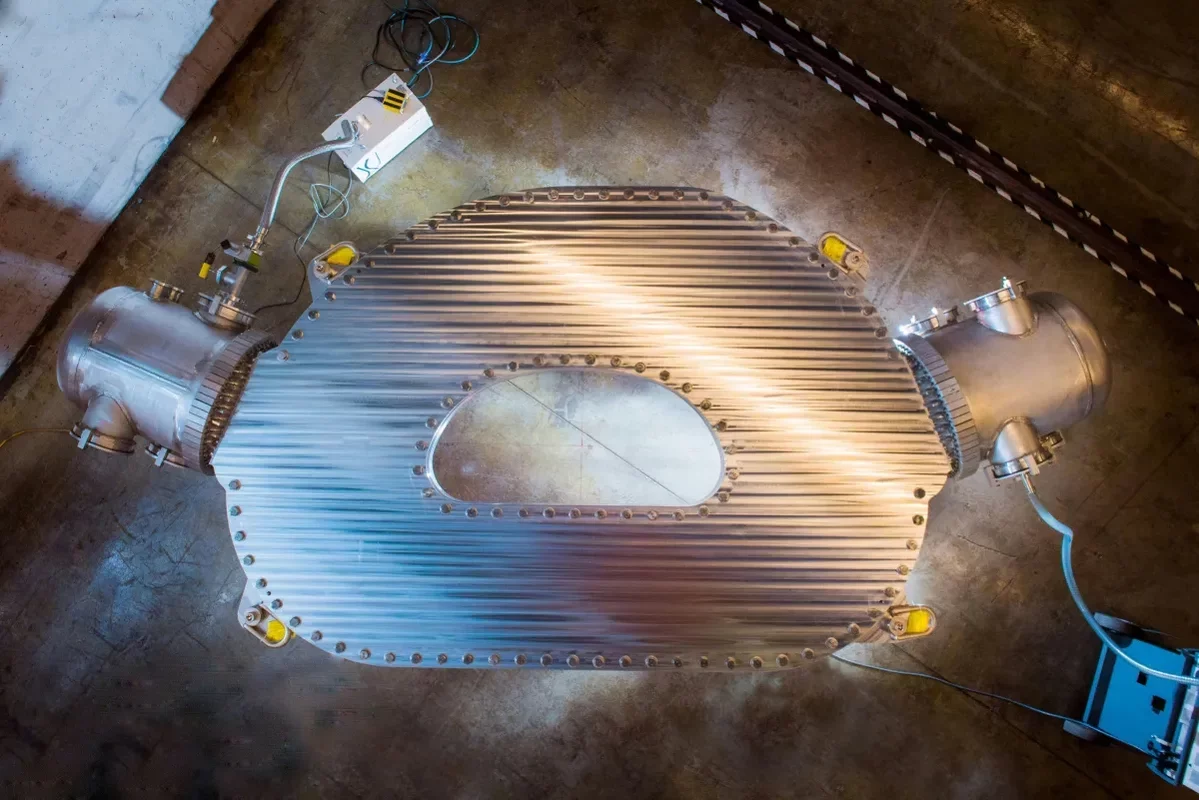
The prototype used fine metal grids to slow the particles and collect their charge. The result was modest, but meaningful: enough power to illuminate several bulbs and validate the basic engineering idea.
Why It Matters
In Realta's long-term design, most energy would still be harvested as heat, while the charged-particle stream could provide an additional electrical boost. The company says this could improve overall efficiency in future systems, though the latest test did not produce net electricity.
Researchers have explored direct energy conversion for decades, but this demonstration places the idea inside a modern commercial fusion strategy. It also adds a new angle to the broader race for practical fusion power, where every efficiency gain matters.
For now, the glowing bulbs are a proof of concept. If future tests scale successfully, direct plasma-to-electricity conversion could become an important piece of cleaner, more efficient fusion energy systems in the years ahead.