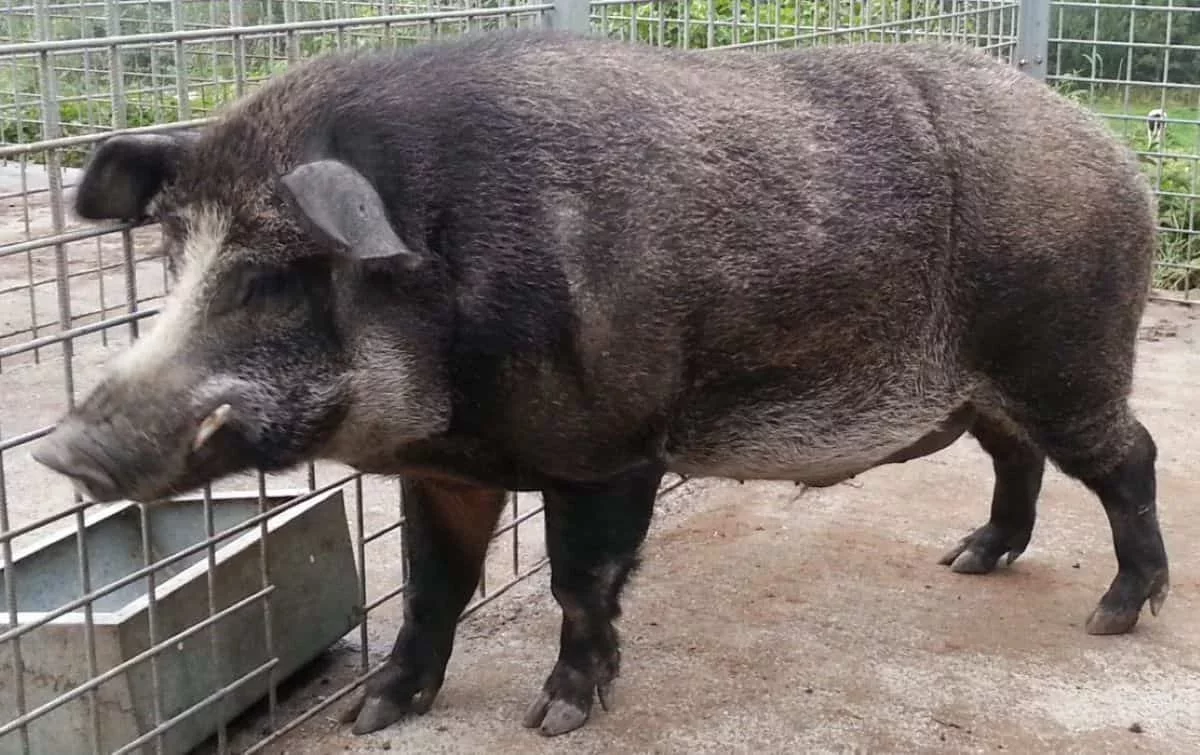
Over a decade following the Fukushima nuclear disaster, which necessitated a large-scale evacuation, the area has transformed into a sanctuary for wildlife, particularly wild boars. Surprisingly, some of these boars are found to possess genetic traces of domestic pigs that were left behind amidst the chaos.
The catastrophic earthquake and tsunami in 2011 led to the exodus of 160,000 residents, resulting in the abandonment of livestock. Some pigs escaped their enclosures or were set free, venturing into the nearby forests where they encountered their wild counterparts.
A recent genetic study published in the Journal of Forest Research explores the aftermath of this intermingling. By analyzing DNA across generations of hybrids, researchers are gaining insights into the rapid changes in wild populations following such a significant disruption.
A Unique Genetic Landscape
Hybridization is a common phenomenon as urban areas expand into natural habitats. However, Fukushima presents a unique scenario with a clear data set due to the one-time nature of the evacuation.
This singular event created a distinct pulse of domestic DNA, allowing Shingo Kaneko and his team from Fukushima University to monitor the persistence or decline of these genes over generations without the interference of new arrivals.
The research team, which included Donovan Anderson from Hirosaki University, examined mitochondrial DNA and nuclear genetic markers from 191 wild boars and 10 domestic pigs collected between 2015 and 2018.
Mitochondrial DNA, which is passed down maternally, enables the tracing of maternal lineage, while nuclear DNA reflects the genetic contributions from both parents. Together, these elements provide a timeline of how domestic ancestry has evolved within the population.
Unexpected Findings
Despite the lingering effects of the disaster, including contamination from cesium-137, the wild boars appear to be thriving compared to those in non-contaminated areas where humans remain present.
The researchers anticipated that domestic genes would persist, but they discovered that these genes diminished more rapidly than expected due to the breeding habits of the species.
Domestic pigs are known for their high reproductive rates, producing large litters throughout the year, while wild boars typically breed once annually. The study revealed that hybrids inherited this quicker reproductive cycle from their domestic mothers.
Most of the hybrids were found to be five generations removed from their domestic ancestors, and intriguingly, those with pig mothers exhibited less domestic DNA than anticipated.
"This study highlights how the rapid reproductive cycle of domestic pigs is inherited through maternal lines," Kaneko stated.
Implications for Future Wildlife Management
The study's outcomes provide valuable insights for wildlife management strategies.
"These findings can inform management practices and mitigation strategies for invasive species," Kaneko noted. "Understanding how maternal lineages of swine accelerate generational turnover can help predict potential population surges."
However, the researchers caution that Fukushima's situation is unique; in many regions, domestic pigs continue to escape, introducing new genes that may perpetuate aggressive and rapid breeding among hybrids.
More than ten years post-disaster, the hybrid boars of Fukushima serve as a living example of evolution in response to human influence, illustrating how quickly life can adapt when environmental conditions change dramatically.