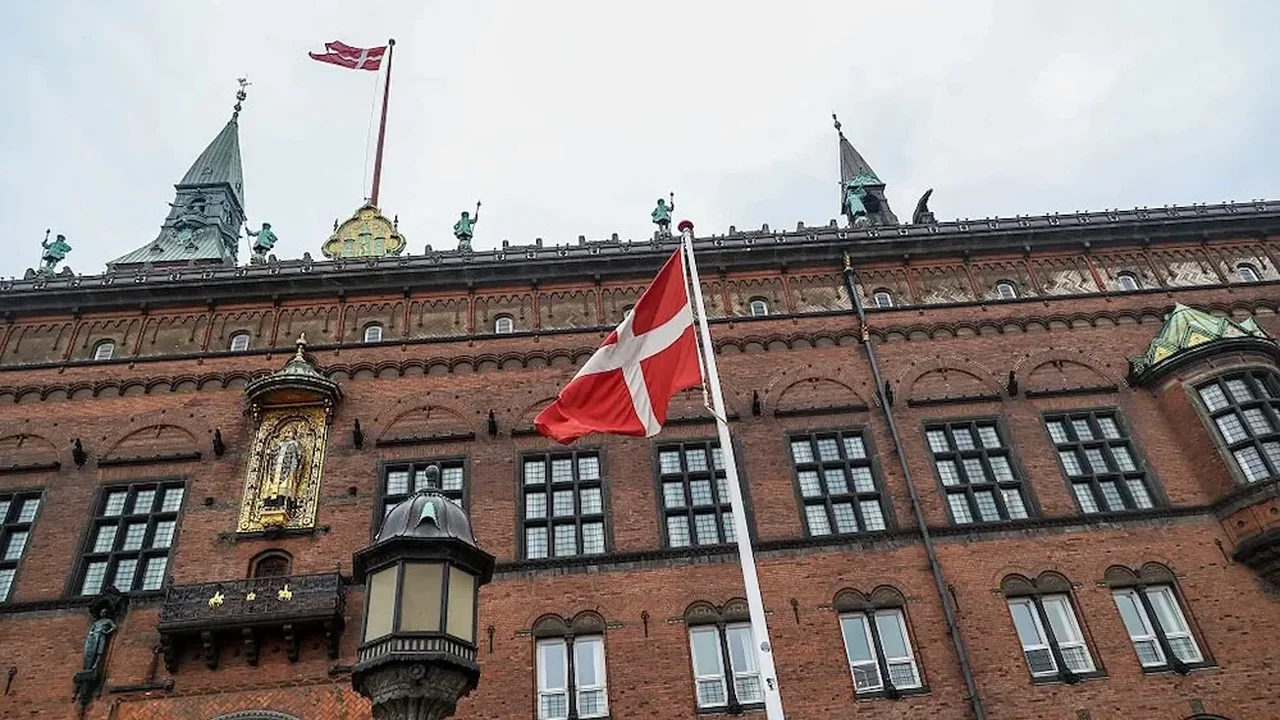
A medieval burial in a Danish church seemed to predate the building that contained it. The bones were found in floor layers of a Franciscan friary in Svendborg, built after 1236, yet radiocarbon testing initially placed the person's death between 1100 and 1155.
A study of 27 burials from seven monasteries in Denmark and northern Germany suggests that a diet rich in freshwater fish can help explain such puzzling results. In six cases, radiocarbon dates conflicted with the known history of the burial sites.
How diet affects dating
Radiocarbon dating estimates age by measuring carbon-14, which living organisms take in through their food. After death, carbon-14 decays at a predictable rate. But freshwater environments can contain ancient carbon from geological sources, with little or no carbon-14. Fish absorb it, and it can become part of the bones of people who eat them, making remains seem older than they are.
This effect, known as the freshwater reservoir effect, varies between waterways. The researchers examined stable carbon and nitrogen isotope signatures in the skeletons to assess diet and estimate how much aquatic food may have skewed each result. The team cautions that uncertainties remain, but adjusting dates to account for diet can help reconcile laboratory findings with archaeological evidence.
Putting people back in their time
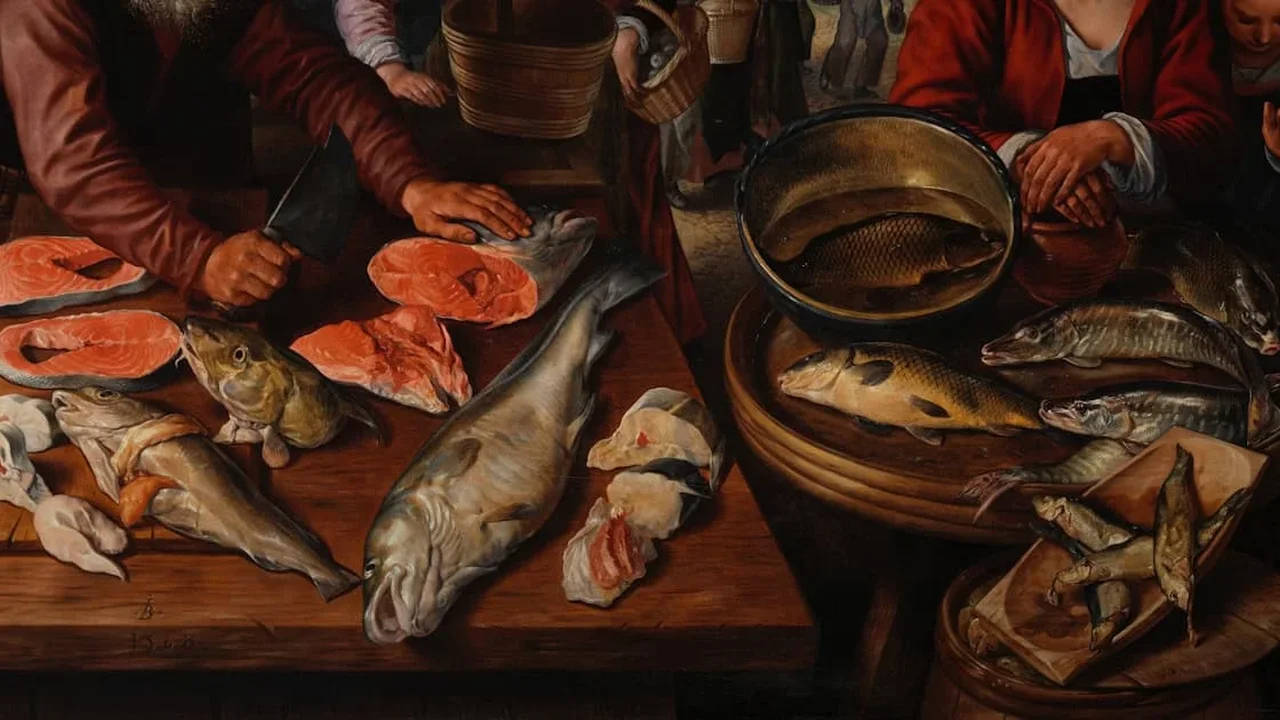
Freshwater fish was a significant food in many medieval communities, including during religious fasting periods when eating land-animal meat was restricted. The researchers, including Kaare Lund Rasmussen of the University of Southern Denmark, argue that dietary evidence should be considered when interpreting human remains.
Published in npj Heritage Science, the findings do not undermine radiocarbon dating; they show why it works best alongside archaeological context and chemical analysis. Combining these methods could help researchers build more accurate timelines of past communities and everyday life.