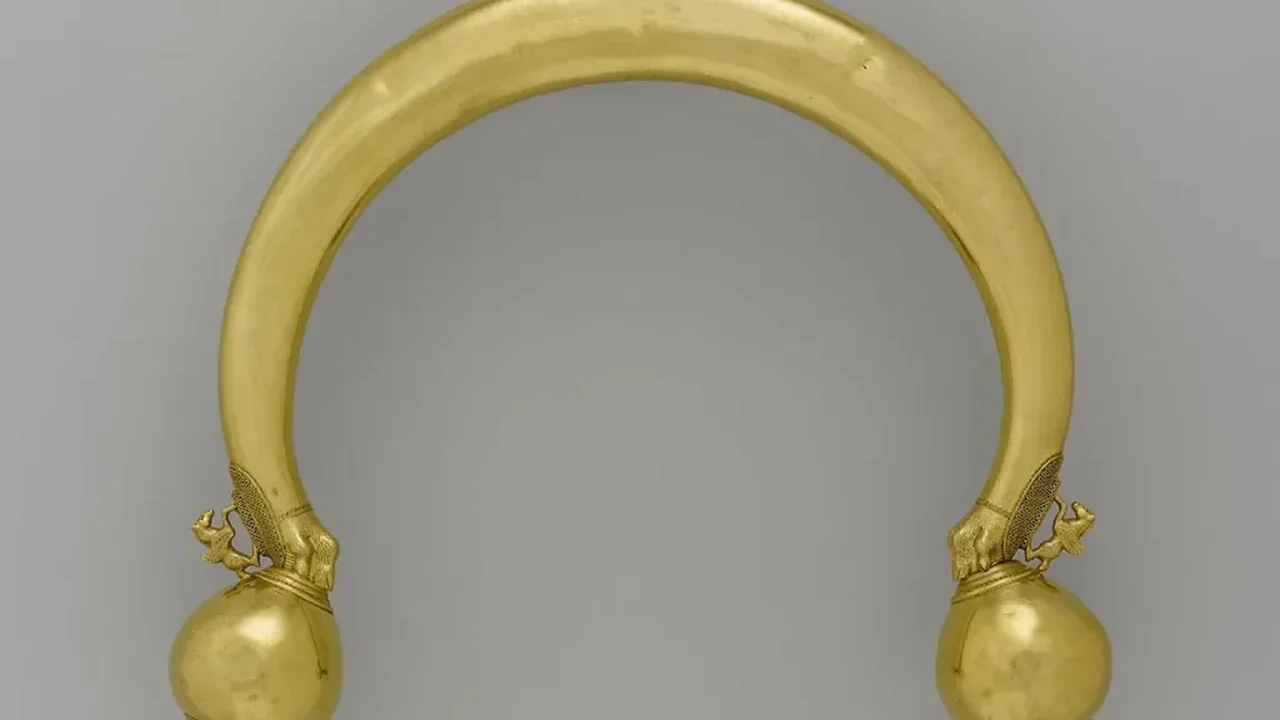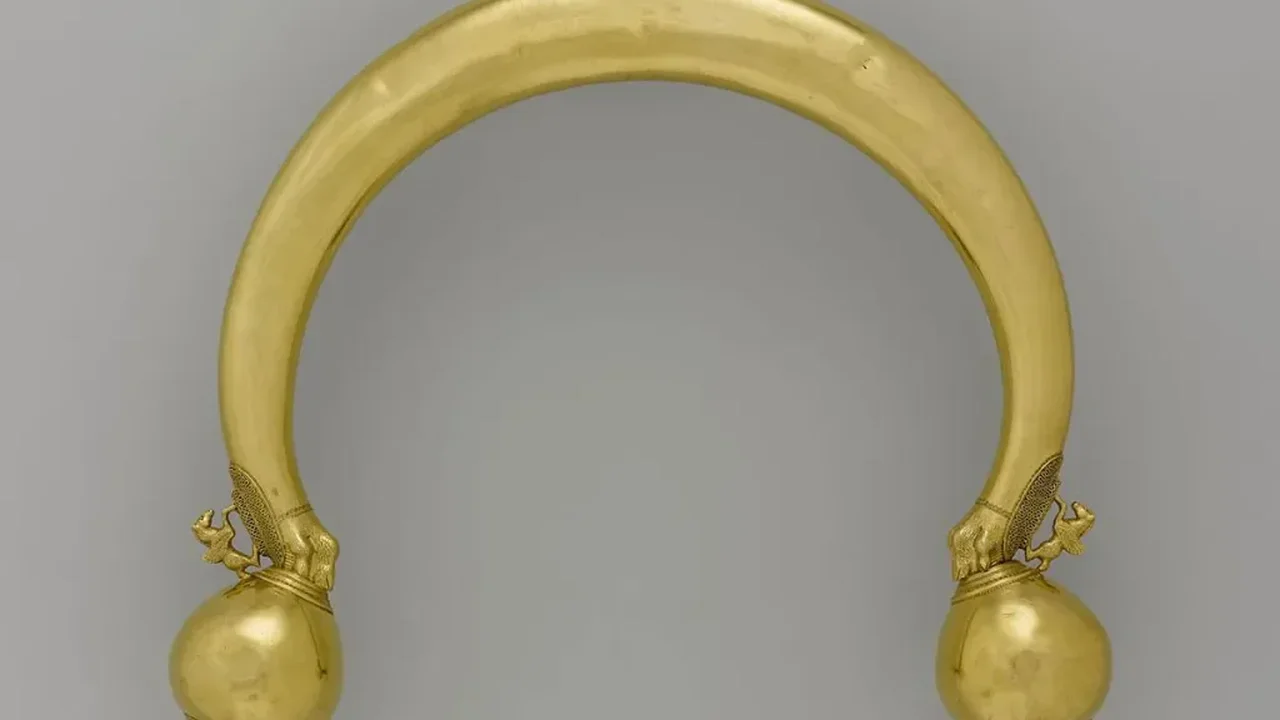
France has launched a nationwide security initiative for museums and heritage sites after investigators detained a suspect linked to the theft of a 2,500-year-old Celtic gold torque from a museum in Burgundy.
The artifact, part of the Vix Treasure, was taken from the Musée du Pays Châtillonnais--Trésor de Vix in Châtillon-sur-Seine during a daytime visit that drew attention for its unusual simplicity: the intruders reportedly entered with regular tickets and left in the same way.
In response, the Ministry of Culture announced a protection plan covering more than 3,000 museums, monuments, and churches considered vulnerable. The program builds on existing funding for upgraded security systems and incorporates findings from parliamentary reports and museum audits.
What the plan includes
The new framework introduces 33 measures, including temporary removal of the most exposed objects from public display, specialized training for museum leaders, and regular security reviews carried out by teams linked to the culture ministry.
Officials say the goal is to strengthen protection while preserving public access to collections. The ministry also noted that 482 at-risk locations have already received initial reinforced measures, signaling a broader shift toward proactive heritage management.
As museums balance openness with protection, this initiative may help shape a more resilient model for cultural preservation in the years ahead.