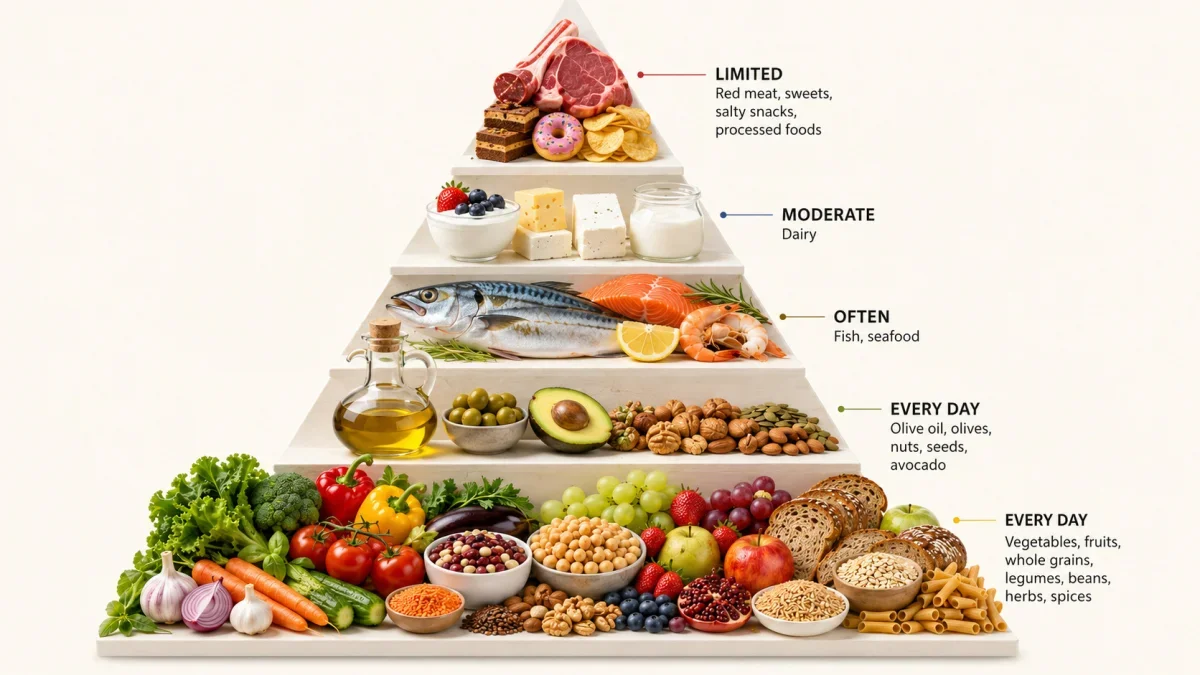
We often hear tales of individuals who defy the odds, living long lives despite unhealthy habits. However, the reality is that while genetics play a role, lifestyle choices significantly influence our longevity. Recent research highlights the importance of diet in enhancing life expectancy, even for those with less favorable genetic backgrounds.
Nature vs. Nurture
A comprehensive study involving over 103,000 participants from the UK Biobank tracked health outcomes over a median period of 10.6 years. Researchers monitored 4,314 deaths and examined the link between participants' diets and their genetic predispositions to longevity. The findings revealed that individuals with favorable genetic scores had a 15% lower risk of mortality. More importantly, the study underscored that a healthy diet's benefits were largely independent of genetic factors.
The five diets identified as beneficial for health and longevity include the Mediterranean diet, a plant-based diet, the DASH (Dietary Approaches to Stop Hypertension) diet, the Diabetes Risk Reduction Diet (DRRD), and the Alternative Healthy Eating Index (AHEI). These diets prioritize fruits, vegetables, whole grains, and healthy fats while minimizing processed foods.
Marion Nestle, a professor emerita at New York University, emphasized that while these results may not be surprising, they reinforce established beliefs about healthy eating. "It's always amazing to me that it takes research of this depth, complexity, and size to conclude that eating healthy diets is good for health and longevity," she noted.
Healthy Eating Insights
For individuals around the age of 45, those adhering to these diets could expect to live significantly longer. Men could gain an additional 1.9 to 3.0 years, while women might see an increase of 1.5 to 2.3 years in life expectancy. The most pronounced benefits for men were linked to the Diabetes Risk Reduction Diet, whereas women benefited most from the Alternate Mediterranean Diet. A higher intake of fiber was also associated with increased longevity.
It is essential to note that this study was observational, meaning it cannot definitively prove that these diets directly cause longer lives. Other factors, such as access to healthcare and overall lifestyle habits, may also contribute to these outcomes. Nonetheless, the correlation between diet quality and longevity is compelling.
Understanding the Diets
Here's a brief overview of the five diets:
- Mediterranean Diet: Emphasizes healthy fats, particularly olive oil and fatty fish, along with a variety of vegetables, fruits, legumes, and nuts, while limiting red meat.
- Plant-Based Diet: Focuses on foods derived from plants, excluding animal products to lower saturated fat and increase fiber.
- DASH Diet: Aims to lower blood pressure by promoting high intakes of magnesium, calcium, and potassium, while limiting sodium and added sugars.
- Diabetes Risk Reduction Diet (DRRD): Prioritizes low-glycemic foods and healthy fats while reducing trans fats and sugary drinks.
- Alternative Healthy Eating Index (AHEI): Predicts chronic disease risk by rewarding high consumption of white meat and plant proteins.
In summary, while genetics may influence health outcomes, this study reinforces the idea that a nutritious diet can significantly enhance longevity. As we continue to explore the impact of dietary choices, it becomes clear that healthy eating is a vital component of a longer, more fulfilling life.