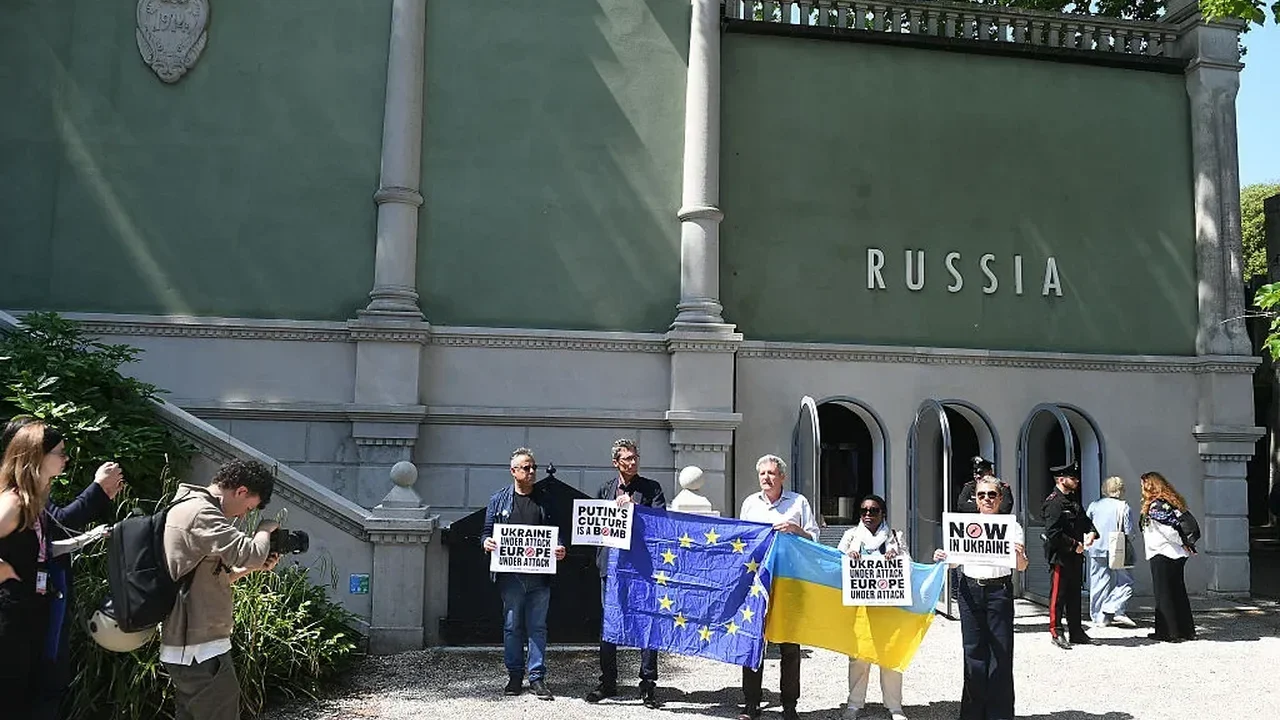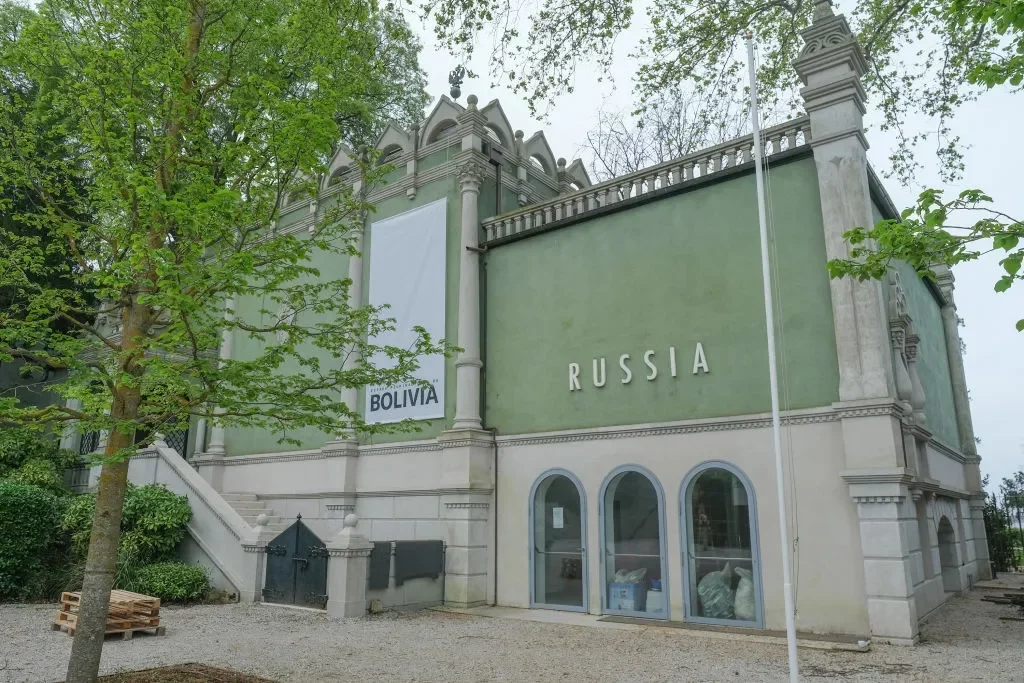
Finland's political leaders have announced they will not attend the Venice Biennale this year if the Russian Pavilion is allowed to showcase its work, reflecting rising European unease regarding Russia's return to international cultural events. This decision comes in light of ongoing tensions stemming from Russia's actions in Ukraine.
In a statement issued by the Ministry of Education and Culture, Finland emphasized that Russia should not be permitted to participate in the Biennale while its military aggression continues. However, Minister of Science and Culture, Mari-Leena Talvitie, indicated that some Finnish officials would still attend to promote and support local arts and culture.
This decision, while not a complete withdrawal, highlights the increasing political pressure on the Biennale to reconsider Russia's involvement, especially as it prepares to host a national pavilion for the first time since its invasion of Ukraine in 2022.
Earlier this year, a coalition of 22 prominent politicians from various European nations, spearheaded by Latvia, signed an open letter expressing concerns over Russia's presence at the Biennale. They described it as "deeply troubling," raising alarms about the potential for state-sponsored cultural diplomacy masquerading as artistic exchange. Finnish officials were among those who endorsed this letter. Additionally, the European Commission has cautioned the Biennale that it could face a loss of €2 million in funding for its 2028 edition if it fails to address these significant concerns regarding compliance with EU sanctions against Russia.
Despite the controversy, Biennale organizers maintain that they operate as a neutral entity, welcoming applications from any nation recognized in Italy. They assert their commitment to rejecting any form of cultural exclusion or censorship. However, as noted by ARTnews columnist Alex Greenberger, the notion of neutrality in art exhibitions is complex, suggesting the Biennale could benefit from establishing an ethics panel similar to those found in the UN and Olympic committees.
The Russian Pavilion, titled "The Tree is Rooted in the Sky," is anticipated to present a multidisciplinary program featuring musicians, poets, and artists from both Russia and abroad. Organizers aim to highlight the idea that culture can transcend political boundaries, fostering dialogue and collaboration among diverse cultures.
As geopolitical tensions involving Russia, Israel, Iran, and the US continue to unfold, this year's Biennale may serve not only as an art showcase but also as a platform for broader geopolitical discourse.