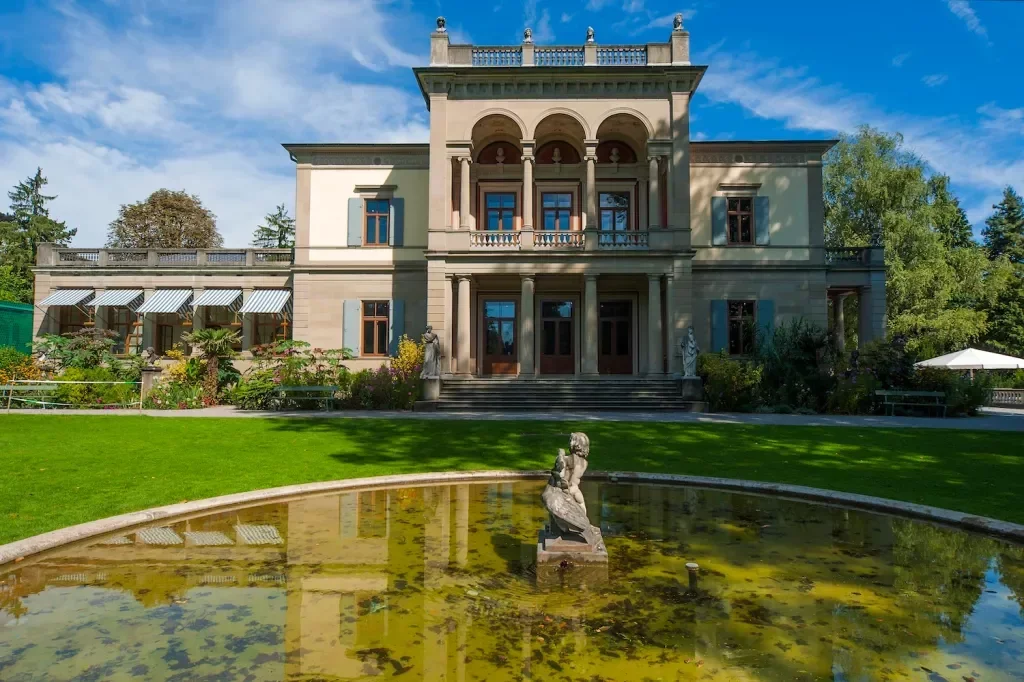
A Kind of Paradise: Colonial-Era Photography in Contemporary Art, currently exhibited at Museum Rietberg in Zurich, presents a thought-provoking exploration of global photographic heritage through the lens of twenty distinguished artists.
Reflecting on the nature of photography, Susan Sontag noted in her seminal work, On Photography, that capturing images can objectify individuals, reducing them to mere symbols. This notion parallels the practices of colonialism, which similarly distorts narratives and enforces a singular perspective on diverse cultures and histories.
The exhibition seeks to dismantle these colonial myths, urging viewers to delve deeper into the stories obscured by dominant narratives. Brazilian artist Rosana Paulino articulates this sentiment, stating, "Photography shapes memory by fixing what is seen and what is silenced." She emphasizes the necessity of reconstructing history through active engagement with these silenced voices.
A Kind of Paradise features artists from various diasporas, including Africa, the Americas, Asia, Australia, and Oceania, who employ innovative approaches to engage with colonial-era photography. By doing so, they reveal the hidden narratives and foster a sense of healing from the historical wounds inflicted by colonialism.
The exhibition is organized into four thematic sections. The first, "Shapeshifters," addresses the disparities in access to photographic technology, highlighting how this has led to the erasure of context in historical images. Artists like Paulino and Dinh Q. Lê fill these gaps with historical perspectives, encouraging viewers to reconsider the narratives behind these images.
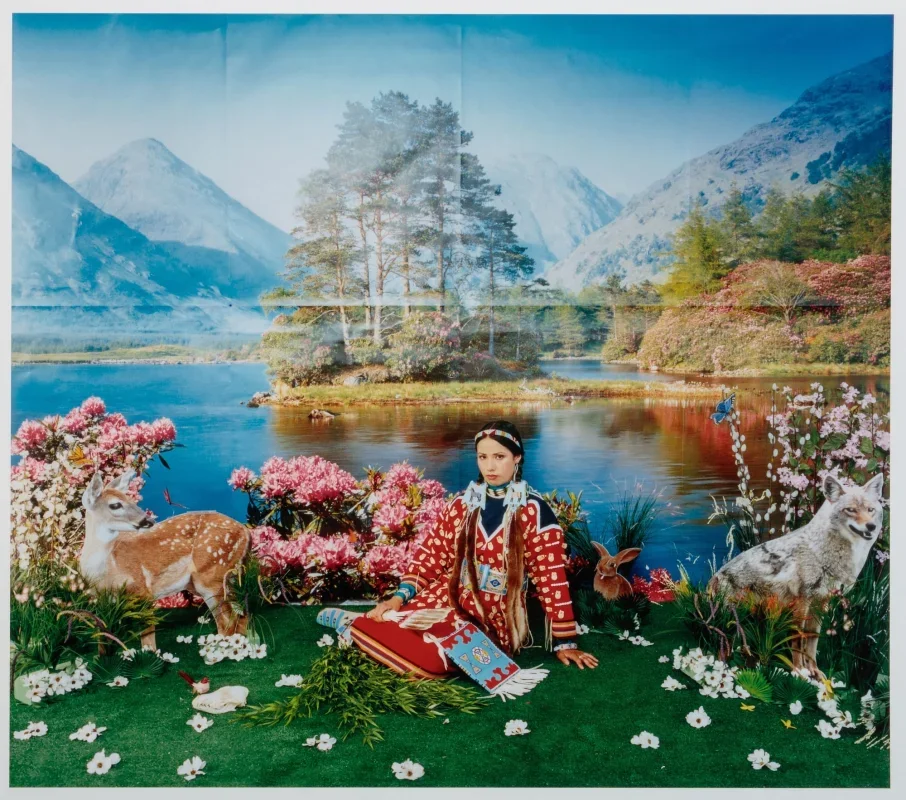
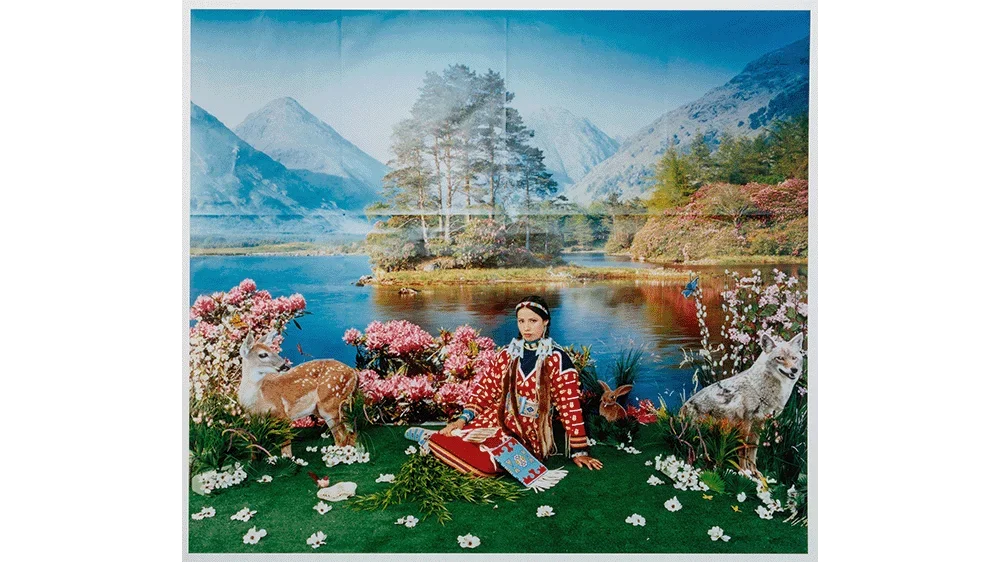
The second section, "Confrontation," critiques the stereotypes perpetuated by early photographs of colonized peoples. Artists such as Wendy Red Star and Omar Victor Diop challenge these tropes through satire and recontextualization, empowering their subjects and reclaiming their narratives.
In the third section, "Care," artists like Sasha Huber and Mary Enoch Elizabeth Baxter approach the subjects of these photographs with compassion, using techniques such as redaction to shield them from exploitative interpretations. This section invites the audience to reflect on the injustices depicted in these historical images.
Finally, "In the Photo Fantastic" embraces the gaps in historical records as opportunities for imaginative exploration. Artists like Raphaël Barontini and Andrea Chung employ critical fabulation to create works that inspire new possibilities rather than merely reconstructing the past.
The exhibition also incorporates personal narratives through the participatory project "Do you remember?" which invites the public to share their own photo albums and stories, further enriching the dialogue around memory and history.
Despite its serious themes, the exhibition maintains a hopeful outlook. As noted by Diop and artist Lee Shulman, engaging critically with colonial imagery "exposes silenced histories" and fosters awareness, paving the way for a more equitable future. A Kind of Paradise is on display at Museum Rietberg until September 6, encouraging visitors to reflect on the multifaceted stories that shape our understanding of the past.