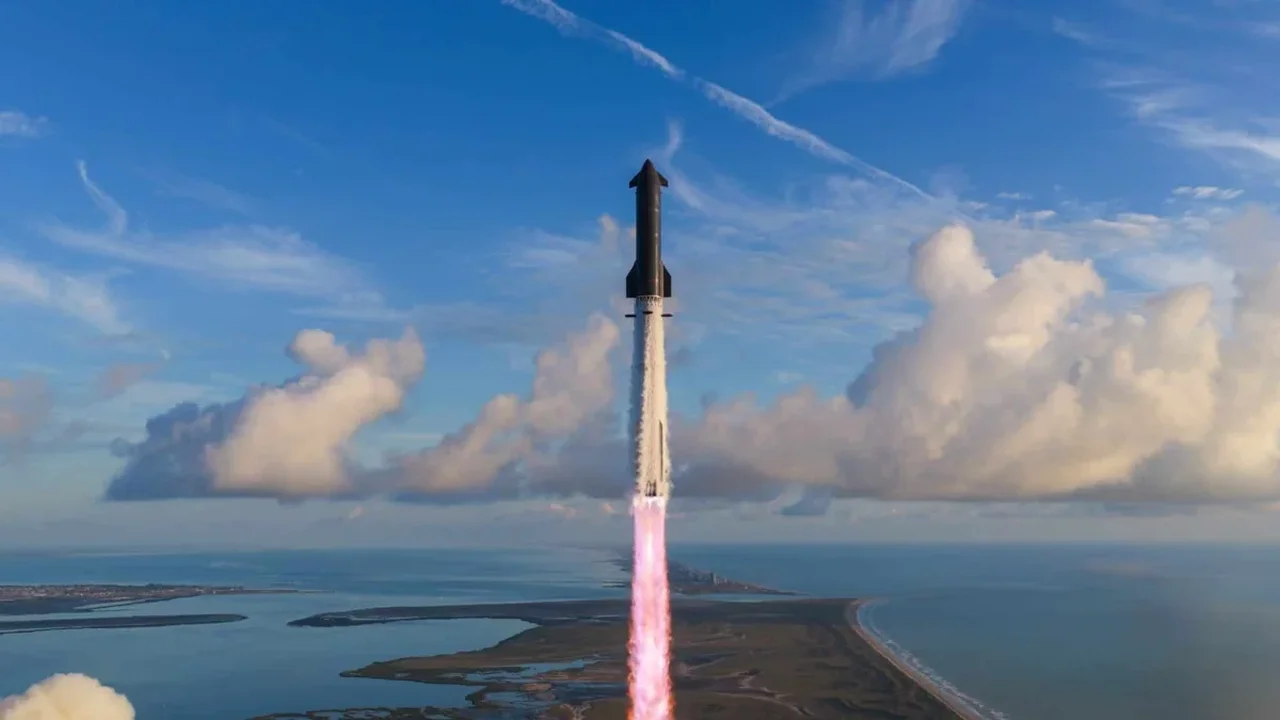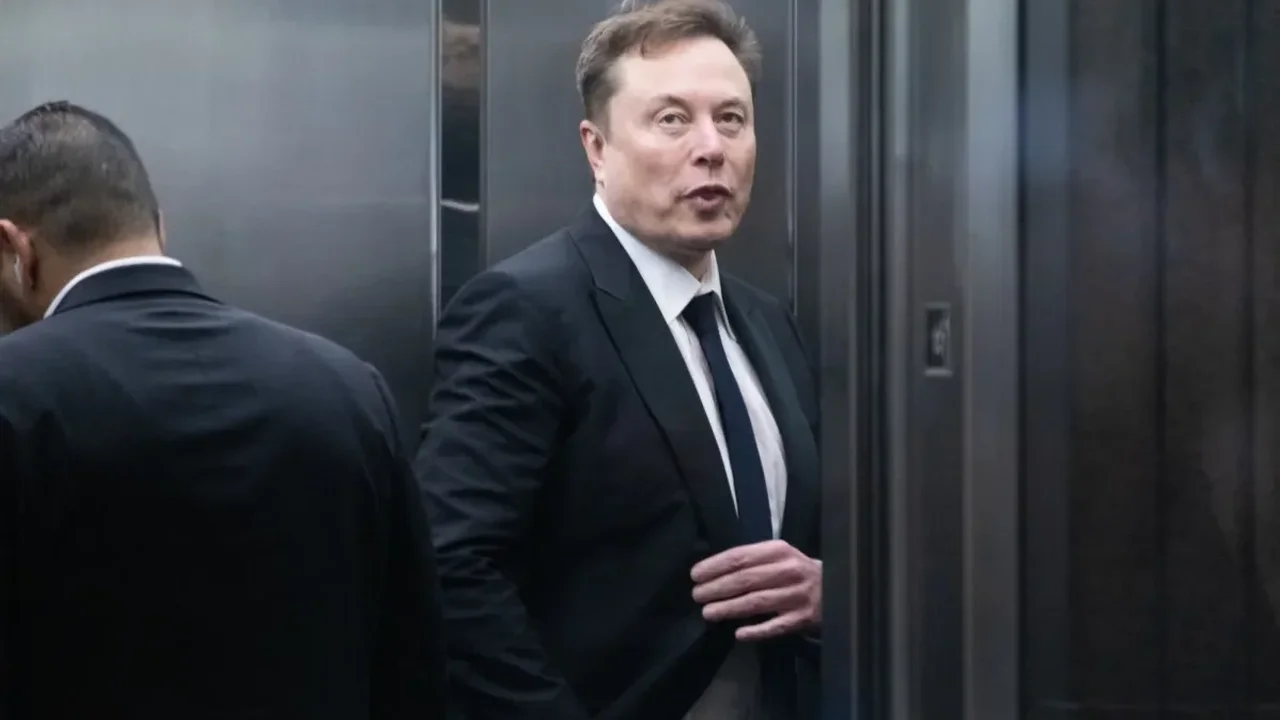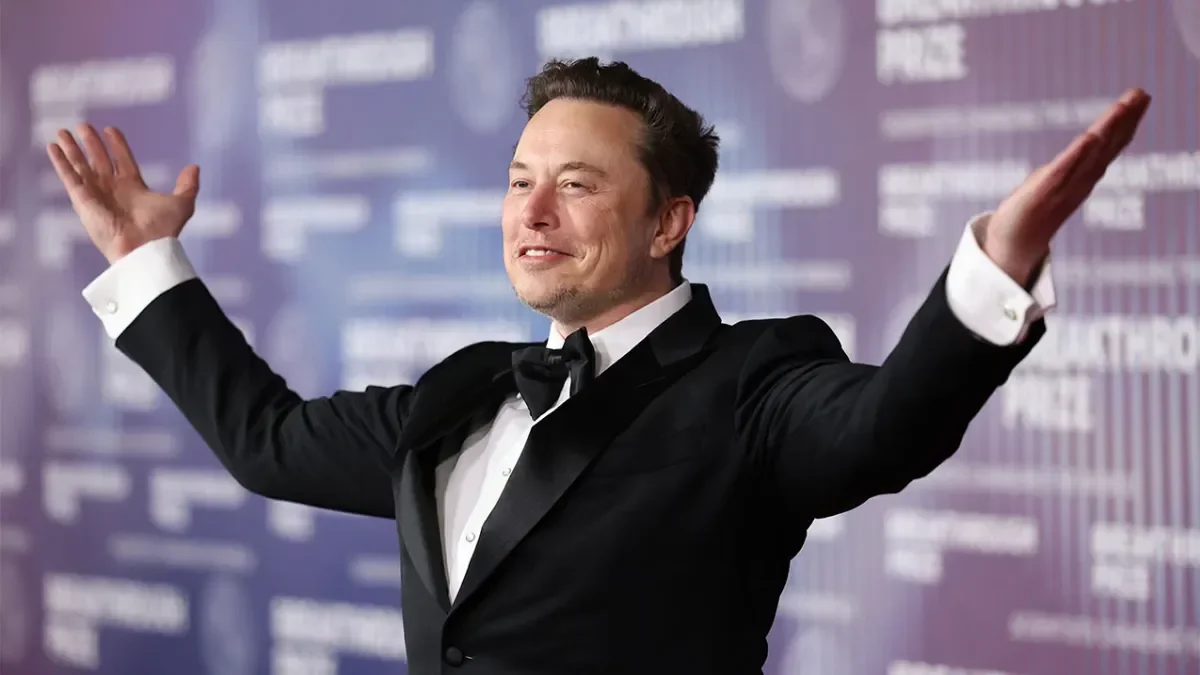
Elon Musk, renowned for his leadership across various ventures, exhibits remarkable control over SpaceX, a company poised to redefine space exploration. Despite his playful title of "TechnoKing" at Tesla, his influence at SpaceX is far more profound, as unveiled in the recent IPO filing.
As the upcoming IPO approaches, Musk will retain roles as CEO, CTO, and chairman of the board, wielding over 50% of the voting rights. This unique structure empowers him to appoint directors at his discretion, essentially rendering him irreplaceable.
SpaceX's filing outlines restrictions on shareholders' ability to challenge corporate decisions legally, benefiting from a more lenient regulatory environment in Texas, which Musk strategically influenced by relocating Tesla's incorporation.
Unmatched Control
In the tech landscape, founders have increasingly maintained control over their companies through dual-class share structures. However, Musk's grip at SpaceX surpasses that of many peers, as noted by Ann Lipton, a law professor at the University of Colorado.
According to Lipton, Musk has effectively dismantled traditional shareholder influence mechanisms, particularly voting rights. SpaceX's dual-class system grants Musk 93.6% of the Class B super-voting shares, unavailable to the public. Even with an anticipated record-breaking IPO, Musk's voting power will exceed 50%, classifying SpaceX as a "controlled company" and allowing it to bypass certain governance regulations.
Regular shareholders, owning Class A shares, will lack the protections typically afforded to investors in publicly traded companies governed by Nasdaq standards.
A Legal Advantage
Another significant limitation for shareholders is the restricted ability to initiate lawsuits. By establishing itself in Texas, SpaceX has made it difficult for shareholders to file derivative suits unless they own a substantial stake in the company. This strategic move minimizes potential legal challenges that could arise from shareholder grievances.
Furthermore, SpaceX's bylaws direct most legal disputes to the newly established Texas Business Court or require mandatory arbitration, effectively reducing the likelihood of lawsuits against the company.
Market Dynamics
Additionally, SpaceX has influenced Nasdaq's regulations to expedite its inclusion in the Nasdaq 100 index, which could significantly elevate its stock price as institutional investors are drawn to the company. This rapid inclusion may provide a boost in early trading, as investors seek to capitalize on the anticipated demand.
While shareholders traditionally could sell their shares to express dissatisfaction, the current dynamics may limit the impact of such actions, according to industry experts.
Future Wealth
Looking ahead, Musk stands to gain unprecedented wealth from SpaceX's IPO, potentially making him the world's first trillionaire. He has been awarded a compensation package of 1 billion Class B shares, which will vest contingent upon achieving ambitious goals, including establishing a human colony on Mars.
Remarkably, Musk retains the ability to vote with these shares prior to vesting and can utilize them as collateral for loans, ensuring financial flexibility. This strategic positioning hints at a legacy of control that could extend to future generations.
As SpaceX continues to shape the future of space travel, Musk's extraordinary control and innovative strategies may redefine corporate governance in the tech industry.