Recently, SpaceX submitted plans to the FCC for an extensive network of satellite data centers, sparking a serious discussion about the future of computing in space. This initiative, which might have seemed like a whimsical idea at first, is now gaining momentum.
The recent merger between SpaceX and xAI marks a significant development, aligning Musk's ventures in space and artificial intelligence. This strategic partnership hints at a larger infrastructural project that could revolutionize how we manage data.
As the FCC begins to review the proposal, the concept of orbital AI data clusters--essentially networks of computers in space--is becoming more concrete. FCC Chairman Brendan Carr's decision to publicly share the filing demonstrates the increasing interest in this innovative approach.
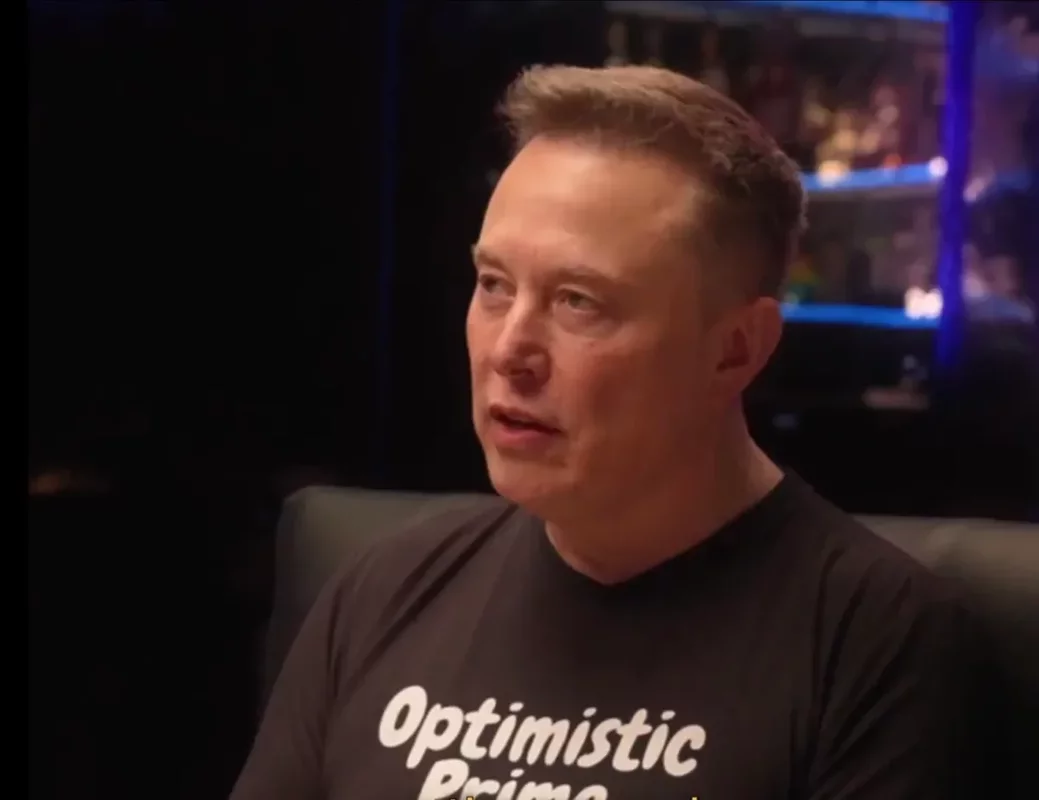
On a recent podcast, Musk elaborated on the advantages of relocating AI computing power to orbit. He emphasized that solar panels generate significantly more energy in space, potentially reducing operational costs for data centers. "Scaling in space is much more feasible than on Earth," he noted, highlighting the efficiency of solar technology in a zero-gravity environment.
However, experts like Dwarkesh Patel raised valid concerns about the overall feasibility, pointing out that while solar energy is abundant, other operational costs must be considered. The discussion revealed gaps in the logic surrounding the practicality of such a move.
Musk remains optimistic, projecting that by 2028, space will emerge as the most economically viable location for AI infrastructure. "In the near future, we will be launching more AI systems into space annually than what exists on Earth today," he asserted.
As global data center capacity is expected to reach approximately 200 GW by 2030, the potential for SpaceX to capitalize on this trend is substantial. With the impending IPO of the SpaceX-xAI conglomerate, the conversation surrounding orbital data centers is likely to intensify, as tech companies continue to invest heavily in data infrastructure.