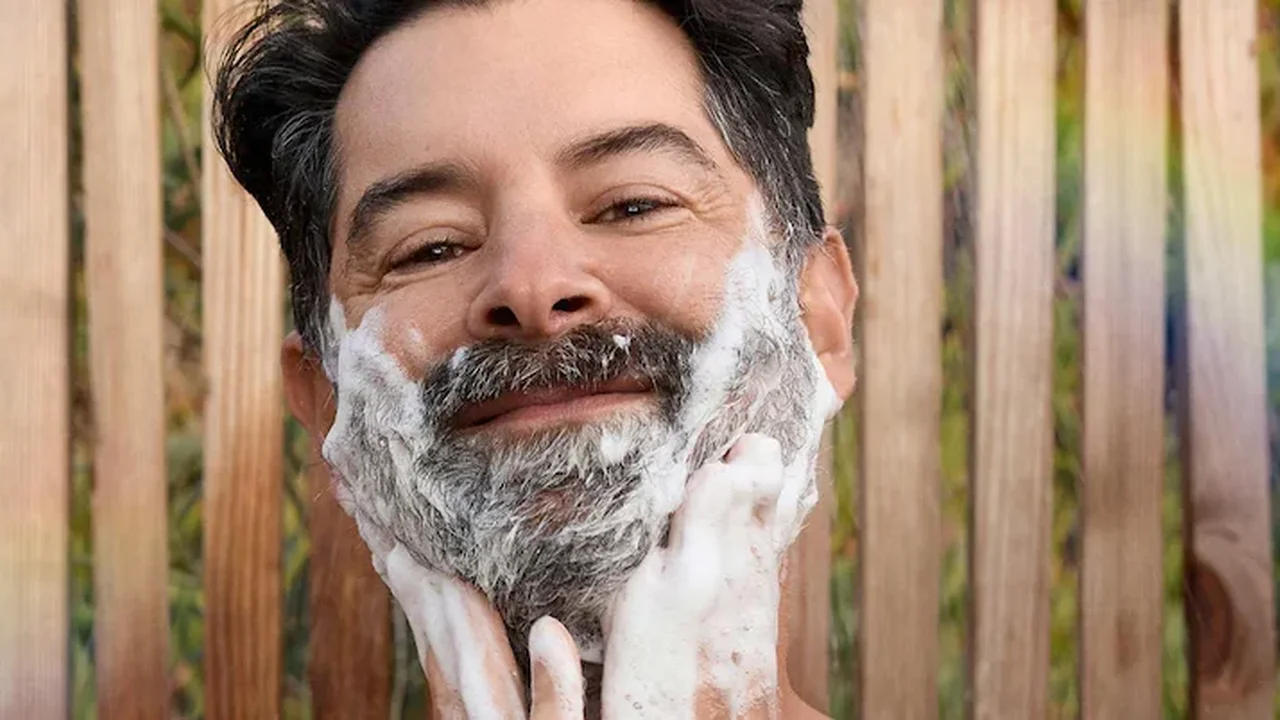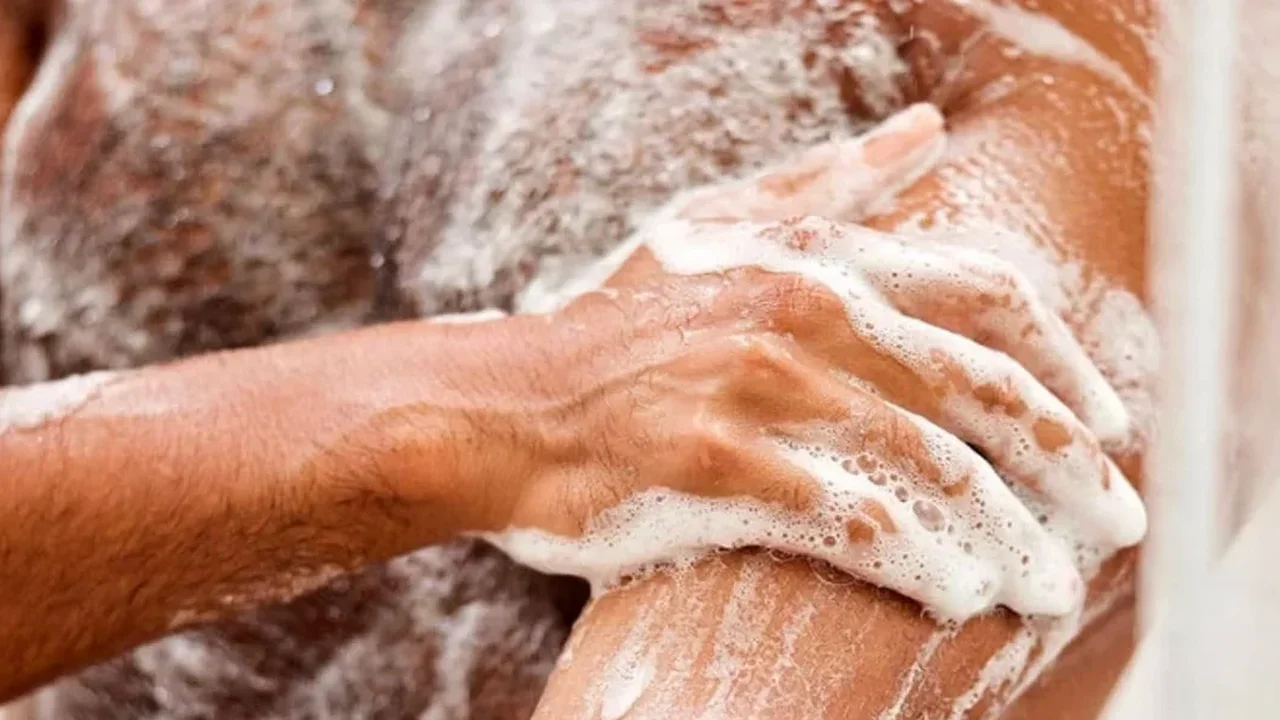
Dermatologists say there is no single rule for how often everyone should shower. For many healthy adults, a daily shower is not medically required; the right rhythm depends on lifestyle, climate, skin type, and how physically active a person is.
What Skin Experts Recommend
According to dermatologists Dr. Aziz Khan, Dr. Brenden Camp, and Dr. Danny Guo, frequent bathing can be adjusted to the body's needs rather than a fixed routine. For people with sedentary or moderately active days, showering every other day may be enough, as long as key areas such as the underarms, groin, and feet are cleaned on off days with a gentle cleanser.
When exercise, heat, or heavy sweating enter the picture, a daily shower becomes more practical. In that case, experts suggest keeping showers short, using lukewarm water, and applying moisturizer afterward to help protect the skin barrier.
When Less Can Be Better
Hot water and overly frequent washing can remove the skin's natural oils, which may leave it feeling dry or irritated. Older adults and people living in cold, dry climates may benefit from showering less often, since their skin tends to be more fragile and less protected by natural sebum.
When More Is Helpful
Skipping showers for too long can allow sweat, oil, and dead skin to build up. That may contribute to clogged pores, body breakouts, and a duller appearance. People who exercise often, work outdoors, or spend time in humid environments may need more regular cleansing to stay comfortable and balanced.
In short, showering is not about doing more or less for the sake of it; it is about matching routine to real-life conditions. As skin science becomes more personalized, everyday grooming may increasingly follow the body's own signals and needs.