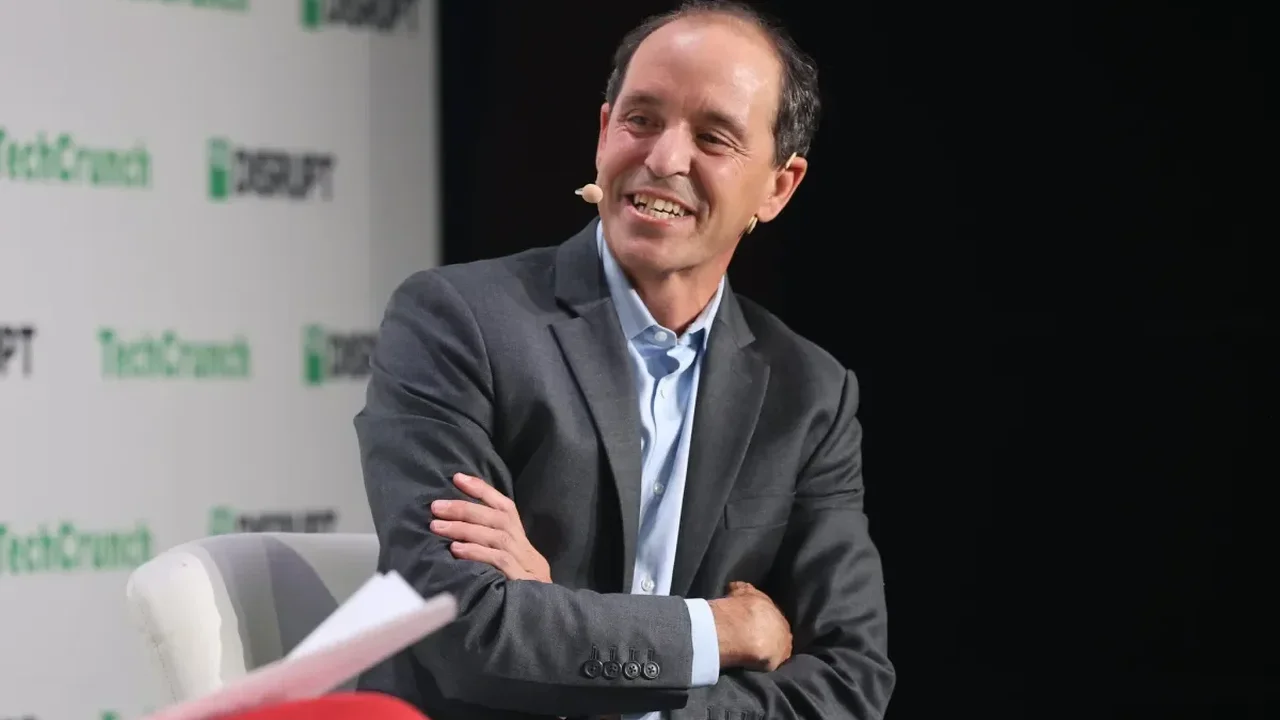
Google DeepMind CEO Demis Hassabis believes artificial general intelligence, or AGI, may emerge around 2030, give or take a year. In a recent conversation at Stanford Graduate School of Business, he described the shift as a major turning point that could open a new era for science, work, and creativity.
Hassabis said today's chatbots are only an early stage of AI. He expects the next leap to come from AI agents that can complete multi-step tasks on their own, such as organizing travel across many platforms or supporting complex research workflows. In his view, these systems could become powerful tools for medicine, materials science, and other fields where speed and scale matter.
Why the Timeline Matters
AGI is generally understood as a system that can perform a wide range of intellectual tasks at or above human level, adapting to new problems without being retrained for each one. Hassabis called it an "enormous" transformation and suggested society should begin preparing now rather than later.
He also pointed to the broader debate inside the AI industry. OpenAI CEO Sam Altman has said humanity is close to digital superintelligence, while Anthropic CEO Dario Amodei has suggested AGI could arrive even sooner. At the same time, other researchers remain skeptical about whether current large language models can truly reach human-like general intelligence.
Hassabis acknowledged that forecasts vary widely, even within DeepMind, but said the uncertainty should not slow readiness. He argued that the most valuable path forward is to combine innovation with smart regulation and independent testing of advanced systems.
For Hassabis, the upside is especially strong in science: faster discovery, better simulations, and new ways to solve long-standing problems. He also stressed that human originality will remain essential, especially for people with taste, design sense, and the ability to connect ideas across disciplines.
If his timeline proves accurate, the next few years could define how humanity shapes one of the most transformative technologies ever built. The future may belong to those who prepare early and use intelligence to expand human potential.