Cultural organizations and reform advocates in the UK have expressed their strong discontent regarding the removal of artworks from court facilities across England and Wales by the government contractor Serco.
A report published on February 10 by Lay Observers, an independent monitoring body, revealed that the Prisoner Escort and Custody Service, a government agency, had commissioned artworks for all courts. However, it was noted that only those courts managed by the prisoner transport company GEOAmey displayed the artwork. According to the report, some facilities run by Serco initially exhibited the art but subsequently took it down following directives from their management, without providing a satisfactory explanation for this inconsistency.
Related Articles
The artworks were created by inmates at Doncaster prison, aimed at enhancing the environment and allowing them to reflect on their experiences in court. These pieces were commissioned to decorate court custody suites, secure areas linked to courthouses where individuals await their court appearances, often in spaces with limited natural light.
As stated in the report, "While a minor change," the presence of art significantly enhances the atmosphere in custody areas. Not only does it benefit individuals in custody, who may be facing distressing situations, but it also positively influences staff, leading to improved decision-making and outcomes for those detained.
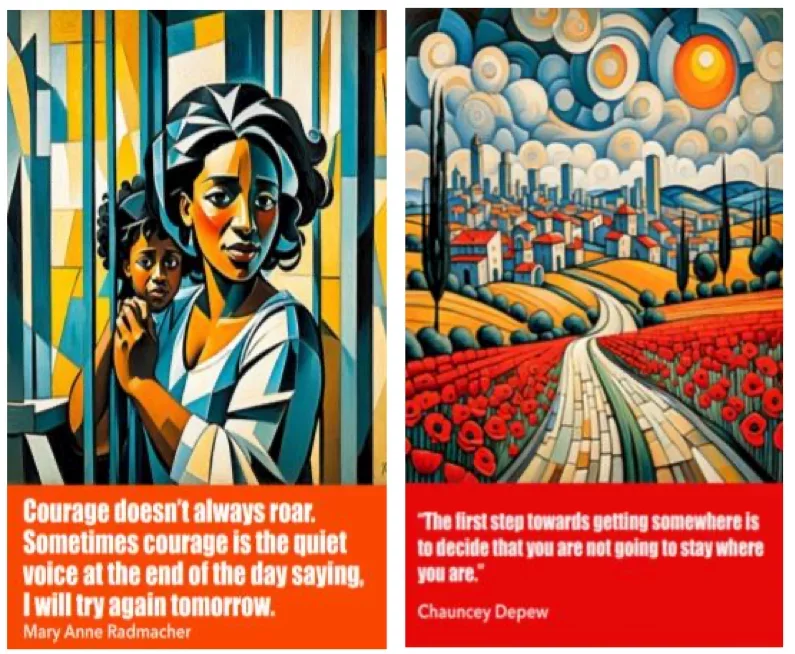
Examples highlighted in the report include vibrant scenes depicting individuals in natural landscapes, accompanied by motivational quotes from notable figures, such as Madonna and Winston Churchill.
Robert Morrall, director of Pictora, an organization that has facilitated art installations in prisons since 2019, described the situation as a "sad day." He emphasized that art plays a crucial role within the criminal justice system, building self-esteem and soft skills that are essential for reintegration and reducing recidivism, which has significant economic and social implications.
Andrew Neilson, director of campaigns at the Howard League for Penal Reform, criticized the removal of the artworks, calling it "petty and vindictive" during a time of court delays and challenging prison conditions. He argued that such art could provide a vital source of hope in custody suites.
The report also identified ongoing systemic issues within the detention and transport systems, including prolonged stays in facilities not designed for long-term detention and delays that disrupt court proceedings.
Statements from government officials and Serco have not adequately addressed the concerns raised by these developments.
A spokesperson from the Ministry of Justice stated, "It is essential to provide safe environments for those in court custody, and we collaborate closely with suppliers to enhance safeguards for individuals in our care."
A Serco representative reaffirmed their commitment to ensuring a safe and welcoming atmosphere for detainees but did not provide immediate clarification regarding the removal of the artworks.