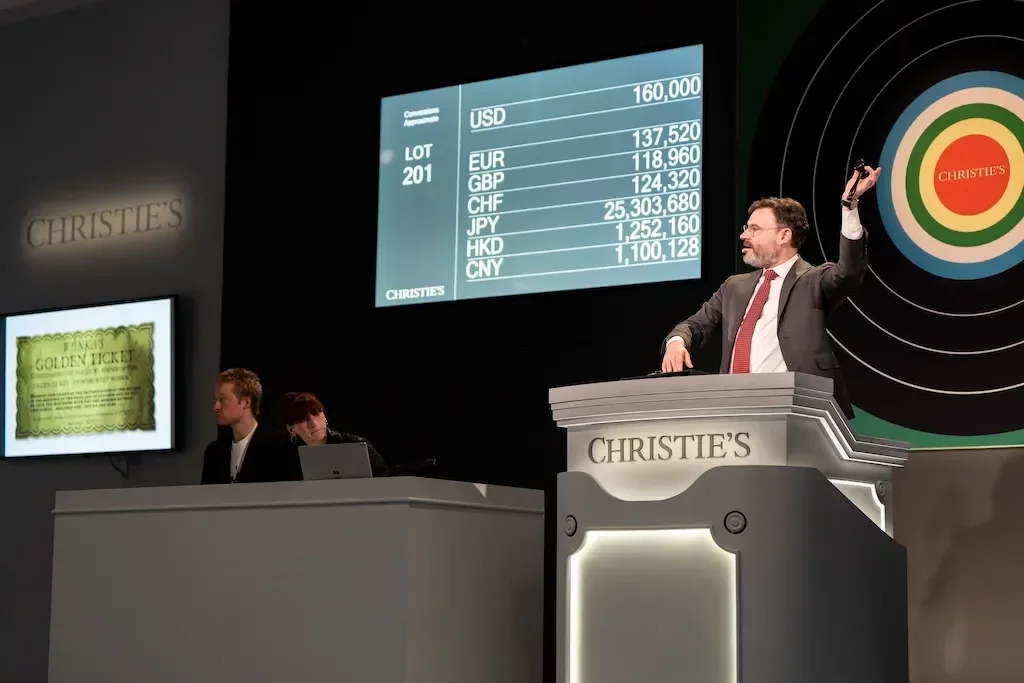
In March, the galleries of Christie's at Rockefeller Center transformed into a vibrant showcase of 20th-century cultural icons, drawing fans eager to see legendary items like Kurt Cobain's guitar, Jerry Garcia's "Tiger," and John Lennon's piano from "Sgt. Pepper." What began as a museum-like exhibition quickly escalated into a thrilling auction atmosphere.
The Jim Irsay Collection achieved a remarkable total of $94.5 million across four sales, marking it as the highest-earning memorabilia auction in history. Every item sold, with the total amount nearly quadrupling initial estimates and setting 28 new world records.
Among the standout sales, David Gilmour's iconic "Black Strat" fetched an astonishing $14.55 million, establishing a new record for guitars at auction. Jerry Garcia's custom "Tiger" guitar followed closely at $11.56 million, while Kurt Cobain's Fender Mustang from the "Smells Like Teen Spirit" video garnered $6.9 million, making Christie's the venue for the three highest guitar prices ever recorded.
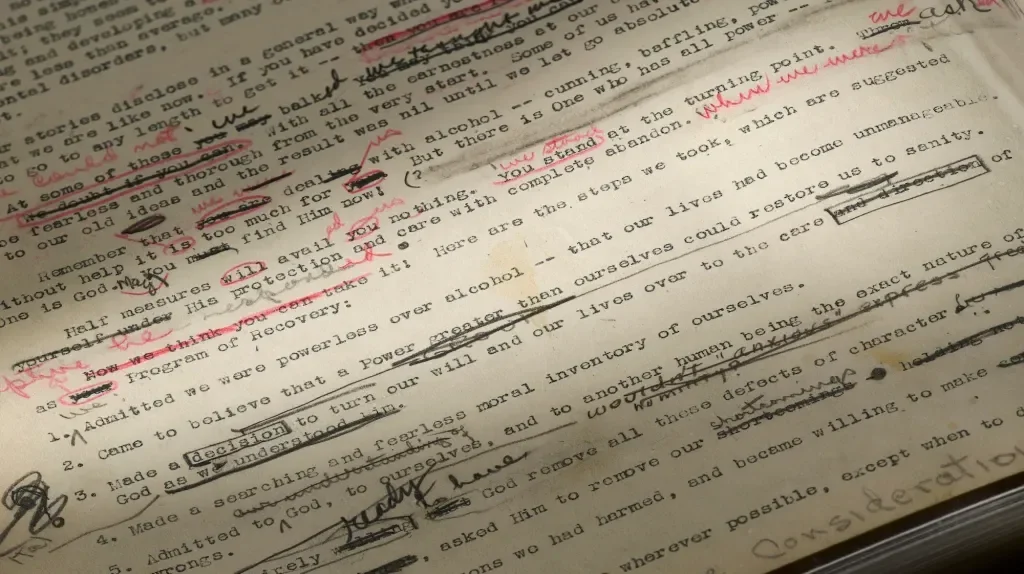
The auction wasn't limited to music memorabilia; it also broke records in literature and sports. Jack Kerouac's original typescript scroll for On the Road sold for $12.1 million, the highest price for a literary manuscript. John Lennon's piano from the "Sgt. Pepper" era went for $3.2 million, while Bob Dylan's handwritten lyrics for "The Times They Are a-Changin'" reached $2.5 million. In sports history, a saddle worn by Secretariat during his 1973 Triple Crown run sold for $1.52 million, setting a record for horseracing memorabilia.
What distinguished this auction was the quick circulation of many items post-sale. For instance, within hours of selling, Garcia's "Tiger" guitar was performed live on stage by Derek Trucks, illustrating that these artifacts are viewed not merely as collectibles but as instruments with ongoing significance.
The atmosphere during the auction was electric, with applause accompanying significant bids and some items sparking bidding wars that extended beyond ten minutes. This event emphasized the power of established cultural artifacts, reflecting a market that values historical significance over mere speculation.
The Irsay Collection offered buyers a chance to own pieces steeped in cultural history, suggesting a robust demand for tangible connections to the past. This auction not only highlighted the enduring appeal of iconic memorabilia but also set a visionary precedent for future auctions, where the stories behind items continue to captivate collectors and enthusiasts alike.