Despite the progress made in LGBTQ+ representation, queer films remain a rarity in mainstream cinema. However, numerous films, even those not explicitly labeled as queer, contain subtext that resonates with LGBTQ+ audiences. This article explores a selection of films that have captured the essence of queer themes, showcasing how they have influenced perceptions over the decades.
Rope (1948)
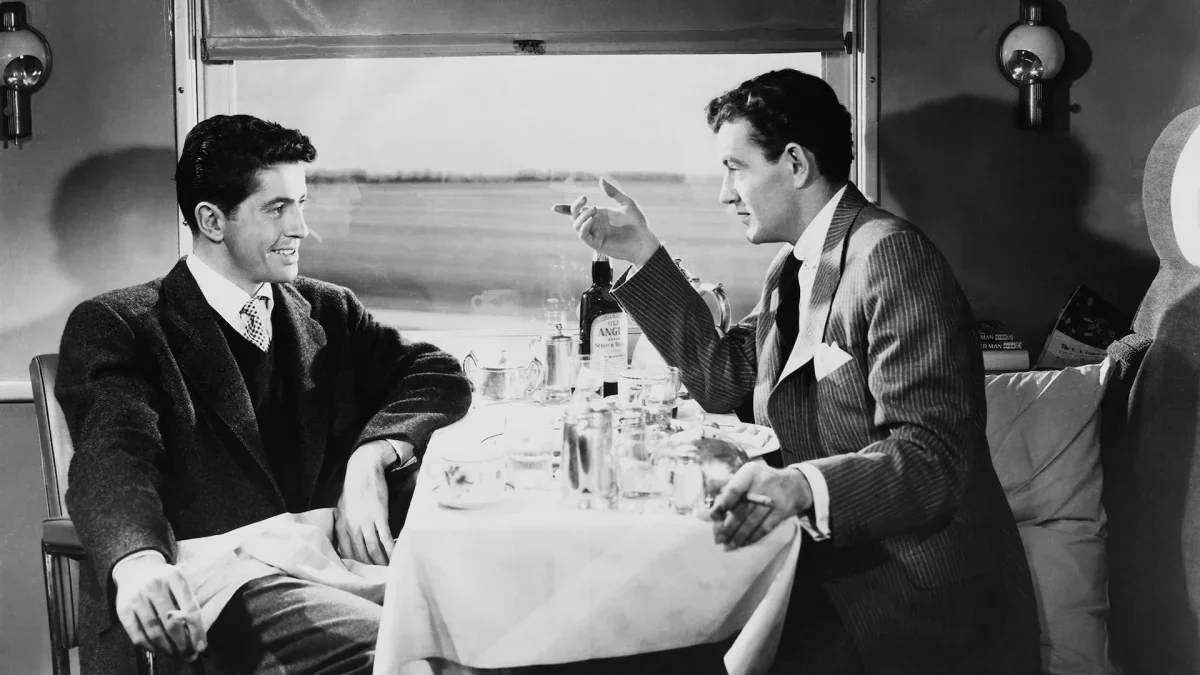
Directed by Alfred Hitchcock, Rope is inspired by the infamous Leopold and Loeb case. The film features two male roommates who conceal a murder, with their relationship steeped in subtextual hints of queerness. The characters, portrayed by Farley Granger and John Dall, navigate societal expectations while embodying themes of dominance and intimacy.
Bride of Frankenstein (1935)
This classic film introduces Dr. Pretorius, a flamboyant character who engages in a high-camp relationship with Frankenstein. The film subtly hints at queerness, leaving a lasting impact on audiences and inspiring future queer narratives.
The Matrix (1999)
With its themes of transformation and identity, The Matrix resonates with many in the trans community. Co-director Lilly Wachowski has openly discussed the film's allegorical connections to the trans experience, making it a pivotal moment in queer cinema.
Cat People (1942)
This film explores themes of repression and sexuality through the character of Irena, who fears that her true self will unleash a primal side. The subtext offers a compelling narrative on the struggles of identity and societal expectations.
Johnny Guitar (1954)
Featuring a strong female lead, this film presents a captivating rivalry between two women amidst a backdrop of Western tropes. Their dynamic hints at deeper connections, challenging traditional gender roles in cinema.
Rebel Without a Cause (1955)
The relationship between Jim and Plato in this film is laden with tension and unspoken attraction, reflecting the struggles of young men grappling with their identities in a conformist society.
Ben-Hur (1959)
The complex relationship between Judah Ben-Hur and Messala is steeped in homoerotic subtext, showcasing how male intimacy was portrayed during this era.
Red River (1948)
In this classic Western, the relationship between Matt and Cherry Valance is filled with subtextual references, hinting at a deeper bond that transcends friendship.
The Haunting (1963)
The film's portrayal of the relationship between Theo and Eleanor radiates queer energy, presenting a nuanced view of intimacy and attraction between women.
A Nightmare on Elm Street 2: Freddy's Revenge (1985)
This horror film features a protagonist whose struggles with identity and attraction serve as a metaphor for the challenges faced by closeted individuals, making it a cult classic among queer audiences.
These films illustrate the rich tapestry of queer representation in cinema, highlighting how subtext can resonate with audiences and inspire future generations. As societal norms continue to evolve, the impact of these films on LGBTQ+ visibility and acceptance remains significant.
As we reflect on the past, it's clear that the evolution of queer representation in film will continue to shape narratives and foster inclusivity in the industry.