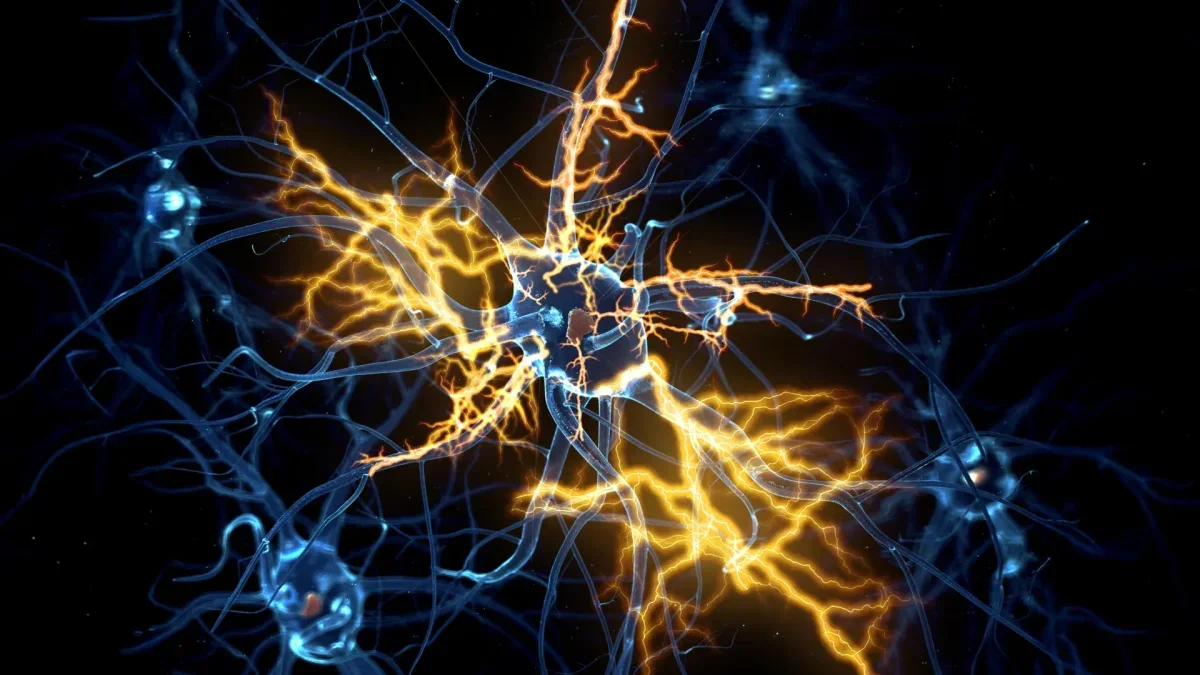
As human development progresses from embryo to infant, neurons establish intricate communication pathways between the brain and spinal cord. These connections rely on axons, the elongated nerve fibers that enable neurons to transmit signals and manage muscle movements.
However, the central nervous system's capacity to regenerate damaged axons diminishes significantly over time. Consequently, injuries to the brain or spinal cord can lead to lasting disabilities, including paralysis and loss of mobility. This decline in regenerative capability is also associated with various neurological disorders, such as motor neuron disease and multiple sclerosis.
Innovative Miniature Models
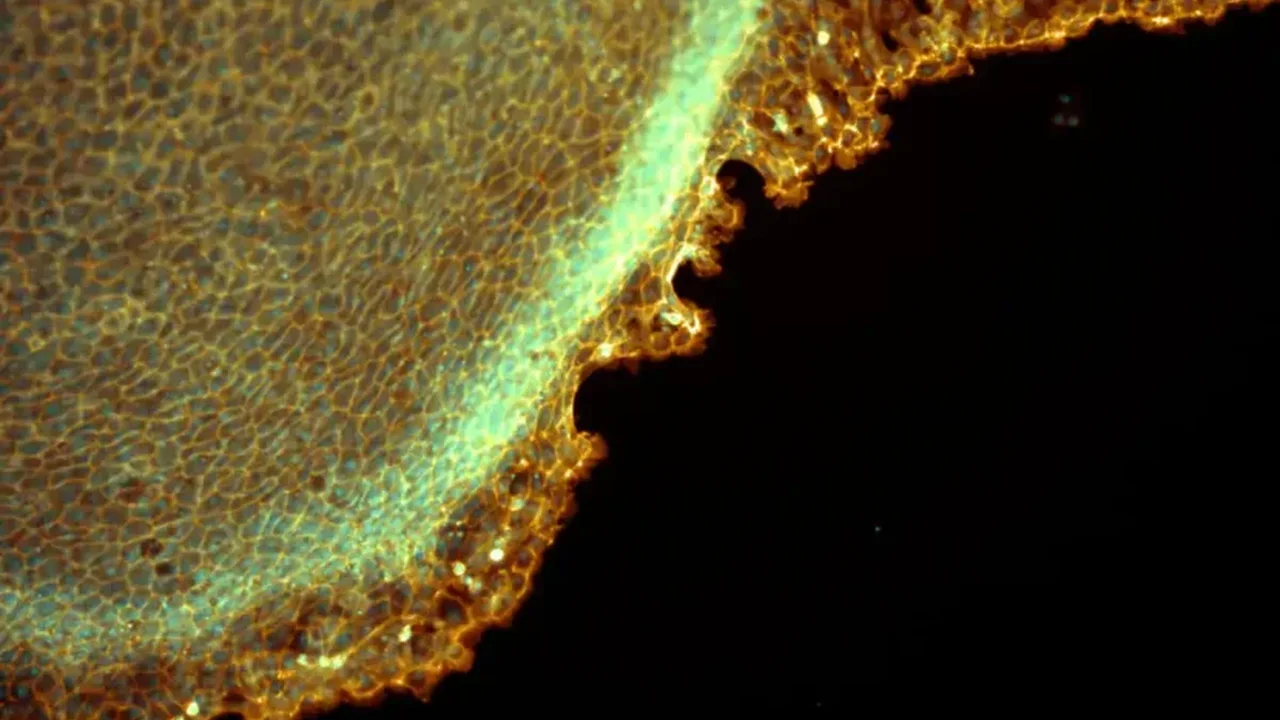
In 2021, Dr. András Lakatos and his team at the University of Cambridge pioneered the creation of miniature human brain models using stem cells sourced from patients. These small "brain organoids," resembling parts of the cerebral cortex, enabled researchers to investigate molecular alterations related to motor neuron disease and explore preventive strategies.
Building on this foundation, a recent study published in Cell Reports has unveiled a miniature model representing the interconnected human brain and spinal cord system. The researchers maintained the organoids apart in the lab, observing axons from the brain tissue extending across the gap to connect with spinal cord tissue. This formation resulted in a functional neural circuit capable of inducing contractions in tiny muscle cell clusters.
Understanding Nerve Regrowth
The scientists sustained these models for over a year, discovering that axons could regenerate until approximately day 150 of development, which aligns with the mid-pregnancy stage. Post this period, a marked decline in regeneration was noted.
George Gibbons, a researcher in the Department of Clinical Neurosciences at the University of Cambridge, stated, "Neurons from less mature organoids exhibited significant regrowth after injury, whereas those from more mature organoids displayed a drastic reduction in regeneration potential. This suggests that limited regeneration is inherent in human neurons as they mature within the central nervous system."
The team analyzed gene activity in neurons connecting the brain and spinal cord, revealing a gene network that functions like a biological switch, restricting axon growth as neurons mature and form synapses. Remarkably, inhibiting key regulators within this network allowed neurons to regain their axon growth capabilities.
Potential Therapeutic Approaches
The researchers explored a database of drug compounds to find those that influence this newly identified gene network. One noteworthy candidate, lynestrenol, a hormone medication approved for certain menstrual disorders and contraceptive use, significantly enhanced axon regrowth when tested on damaged neurons.
While factors like scar tissue and inflammation can hinder nerve repair post-injury, understanding neuron-specific biological mechanisms that limit regeneration remains vital. Previous studies indicated that younger neurons could navigate environments typically obstructive to repair at injury sites.
Dr. Lakatos emphasized that while lynestrenol may not be a definitive solution for spinal cord repair, it illustrates the potential to directly target human neurons for axon regeneration. This research inspires hope that we may one day treat conditions previously deemed untreatable.
The Importance of Human Organoids
Organoid technology is increasingly essential for advancing our understanding of human biology and disease. While traditional animal models provide valuable insights, their biological differences often limit their relevance to human nervous system functions. Human stem cell-derived organoids offer a closer approximation of human biology, bridging the gap between animal research and real patient outcomes.
Researchers at the University of Cambridge are already applying organoids in diverse medical studies, including liver repair, investigating Crohn's disease in children, and examining early pregnancy stages.
This research was supported by the UK Research and Innovation Medical Research Council and Spinal Research.