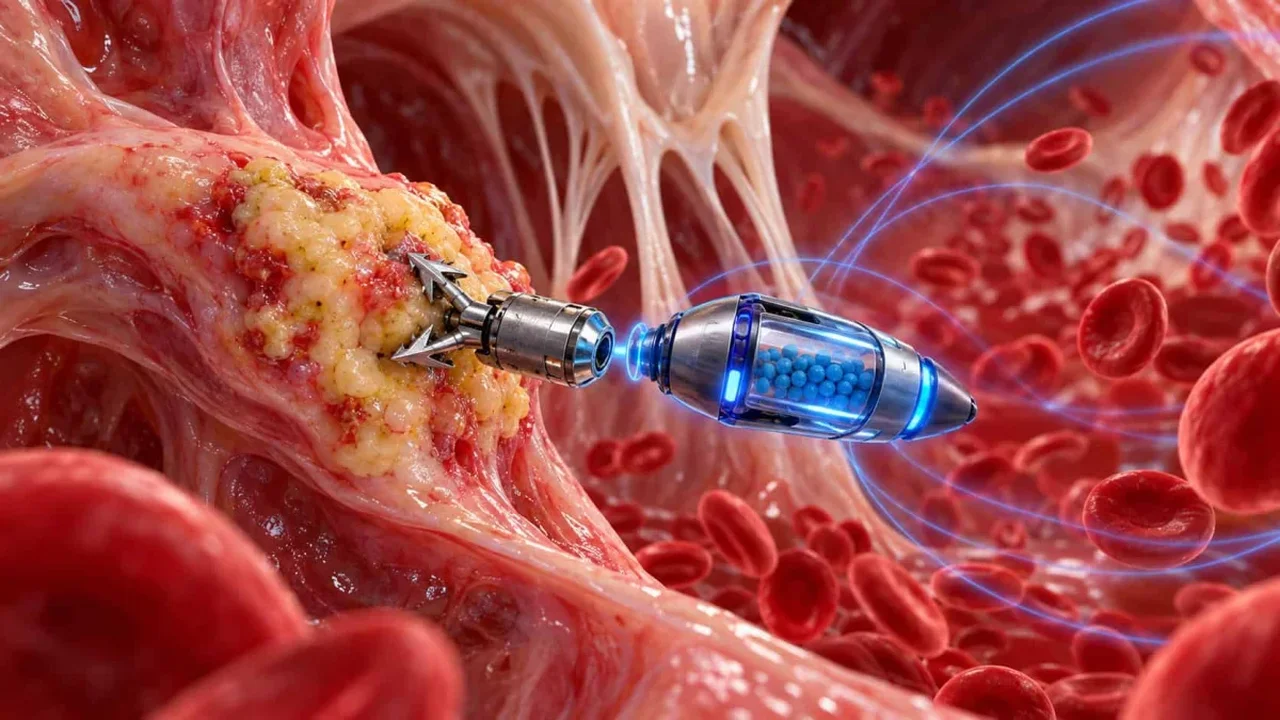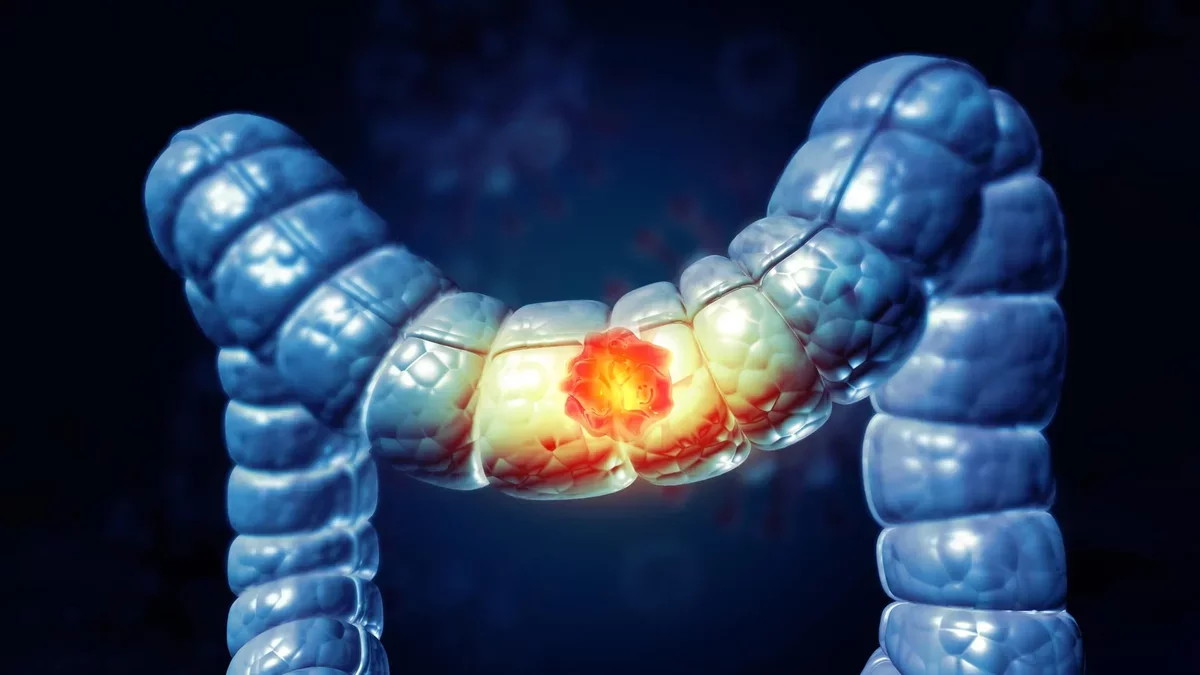
In an exciting development, researchers from UCL and UCLH have made significant strides in colon cancer treatment. A recent trial demonstrated that just nine weeks of treatment with pembrolizumab prior to surgery resulted in remarkable and enduring responses in patients diagnosed with stage two or three colorectal cancer.
Impressive Results: No Cancer Recurrence
Initial findings revealed that 59% of participants showed no detectable cancer after completing their immunotherapy and subsequent surgery. Following a follow-up period of 33 months, none of these patients have experienced a cancer relapse. This includes individuals whose tumors completely vanished as well as those with residual traces of cancer, which did not grow or spread over time.
In contrast, standard treatment protocols indicate that approximately 25% of patients who undergo surgery followed by chemotherapy are likely to see a recurrence within three years. These results suggest that initiating treatment with immunotherapy may provide patients with more durable outcomes.
Innovative Blood Tests for Treatment Prediction
The research team also investigated the reasons behind the treatment's success and how to identify patients who would benefit the most. By analyzing blood samples, they developed personalized tests capable of detecting the presence of cancer DNA in the bloodstream, potentially allowing for early assessment of treatment efficacy.
Dr. Kai-Keen Shiu, the trial's Chief Investigator from UCL Cancer Institute, expressed optimism about the findings, stating, "The absence of cancer recurrence after nearly three years is incredibly encouraging. It reinforces our belief that pembrolizumab is a safe and effective option for improving outcomes in high-risk bowel cancer patients."
He added, "The ability to predict treatment responses through personalized blood tests and immune profiling could revolutionize our approach, enabling us to customize therapies for individual patients based on their risk levels."
Understanding Colon Cancer and Survival Rates
Colorectal cancer ranks as the fourth most prevalent cancer in the UK, with around 44,000 new diagnoses each year. While it predominantly affects older individuals, there has been a concerning rise in cases among those under 50. Early detection remains critical, with survival rates significantly dropping from 90% for stage one to just 10% for stage four.
Trial Insights and Patient Experience
The NEOPRISM-CRC trial involved 32 patients with a specific genetic subtype of colorectal cancer, accounting for approximately 10-15% of cases in the UK. Participants received pembrolizumab for up to nine weeks before surgery, contrasting with the traditional approach of surgery followed by chemotherapy.
Professor Marnix Jansen from UCL noted that the findings not only confirm the treatment's durability but also provide essential insights into the biological mechanisms behind its effectiveness.
Christopher Burston, a 73-year-old participant, shared his journey, stating, "The immunotherapy had an almost immediate effect, and nearly three years later, I remain cancer-free." His story highlights the real-world impact of these innovative treatments.
This breakthrough in colon cancer therapy may pave the way for more effective treatment strategies, enhancing patient outcomes and transforming the future of cancer care.