Parents often encourage their children to share, demonstrate kindness, and consider the needs of others, fostering community harmony. However, adults exhibit a wide range of selflessness, with some prioritizing others while others focus more on their own interests. This variation has intrigued scientists for years.
Exploring Generosity Through The Dictator Game
In a recent study, researchers engaged 44 participants in a series of 540 decisions within a Dictator Game, where they chose how to split a sum of money with another individual, which they ultimately retained. The amounts varied in each round, influencing whether participants ended up with more or less than their partner.
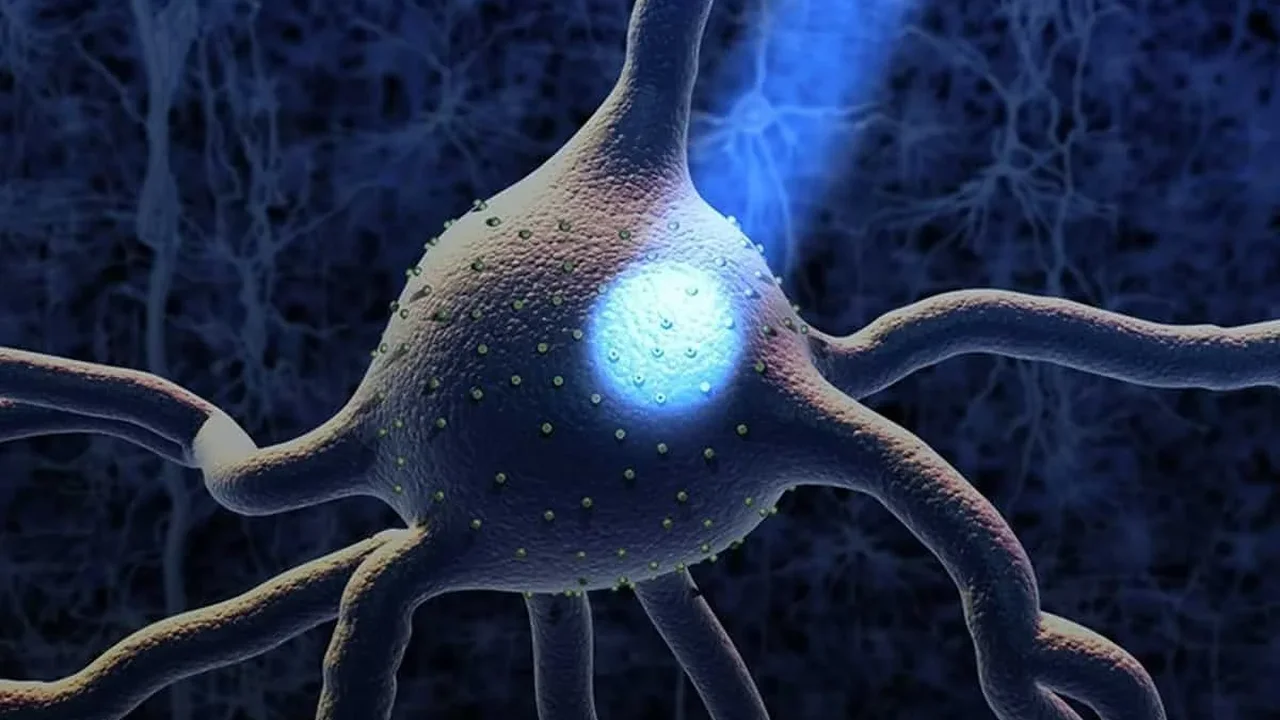
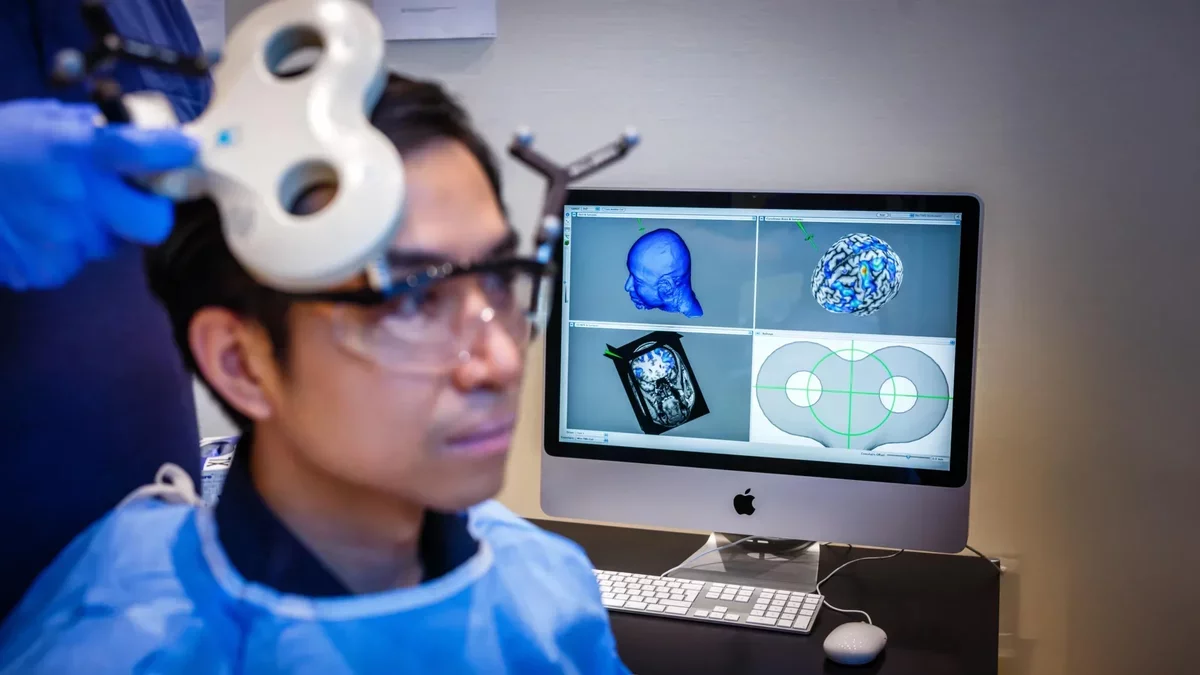
During this decision-making process, the research team applied transcranial alternating current stimulation to the frontal and parietal lobes. This noninvasive method aimed to synchronize the firing patterns of neurons in these brain regions, creating rhythmic alignments in either gamma or alpha oscillations.
Improved Generosity Linked to Gamma Synchrony
Notably, when gamma synchrony between the frontal and parietal areas was enhanced, participants exhibited a slight increase in altruistic choices, opting to share larger sums of money, even at a personal loss compared to their partner.
Utilizing a computational model, the researchers discovered that this stimulation influenced how participants assessed each offer. Post-stimulation, individuals considered the other person's outcome more heavily when deciding on the money division. While the team did not directly observe neural activity during the experiment, future studies combining brain stimulation with electroencephalography could validate how this intervention alters brain signals. Nevertheless, the results indicate that synchronized activity in the frontal and parietal lobes is crucial for altruistic decision-making.
Insights on Cause and Effect
Coauthor Christian Ruff remarked, "We uncovered a communication pattern between brain regions linked to altruistic choices. This enhances our fundamental understanding of how the brain facilitates social decision-making and paves the way for future studies on cooperation, particularly in scenarios requiring collective effort."
Coauthor Jie Hu added, "The novelty lies in the evidence of cause and effect: by modifying communication in a specific brain network through targeted, non-invasive stimulation, we observed consistent changes in people's sharing decisions, altering their balance between personal interests and those of others."
Coauthor Marius Moisa concluded, "We were amazed at how enhancing coordination between two brain regions led to increased altruistic choices. By boosting synchrony between the frontal and parietal areas, participants were more inclined to assist others, even at a personal expense."