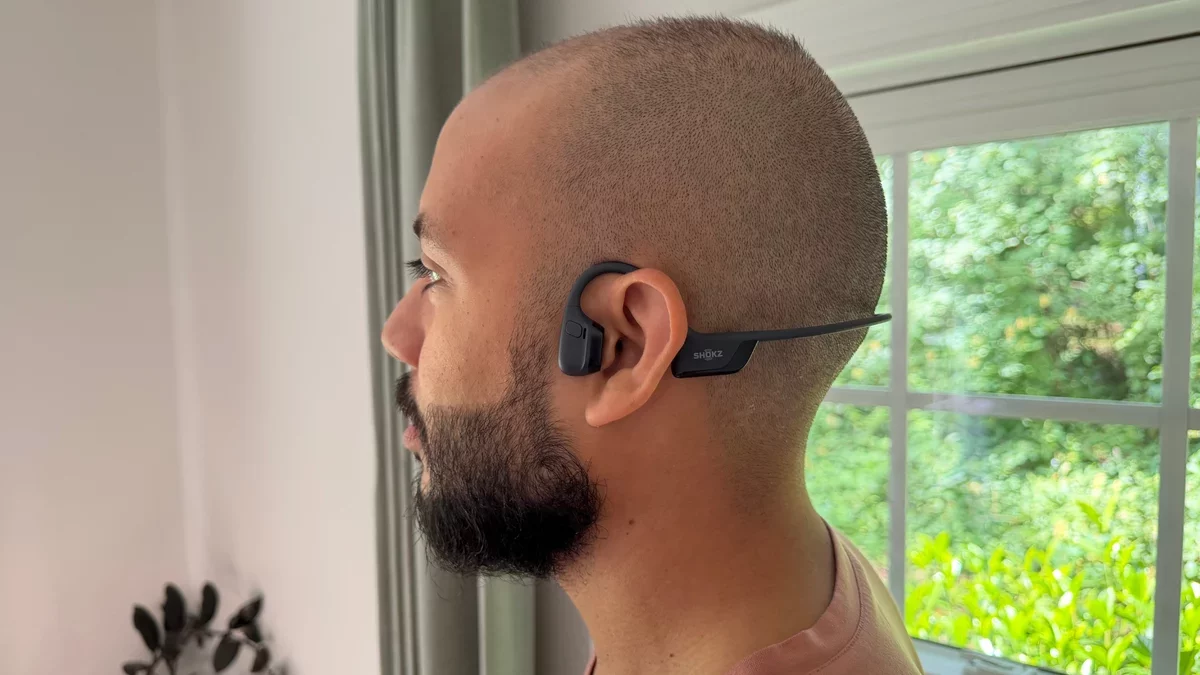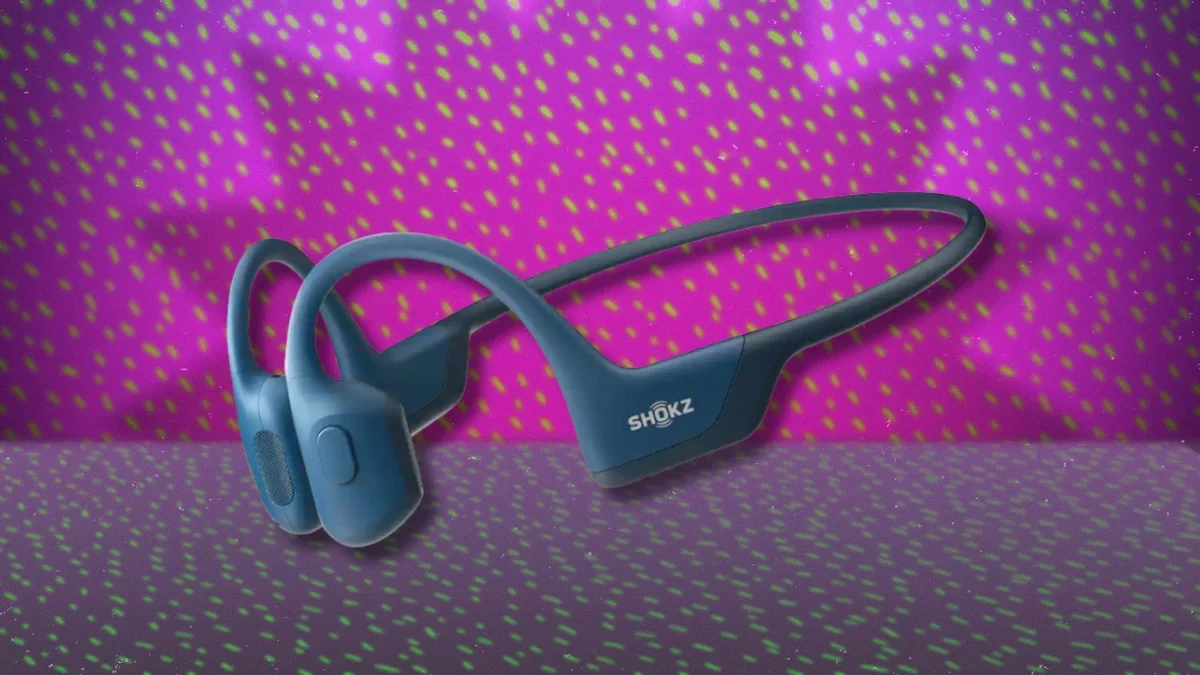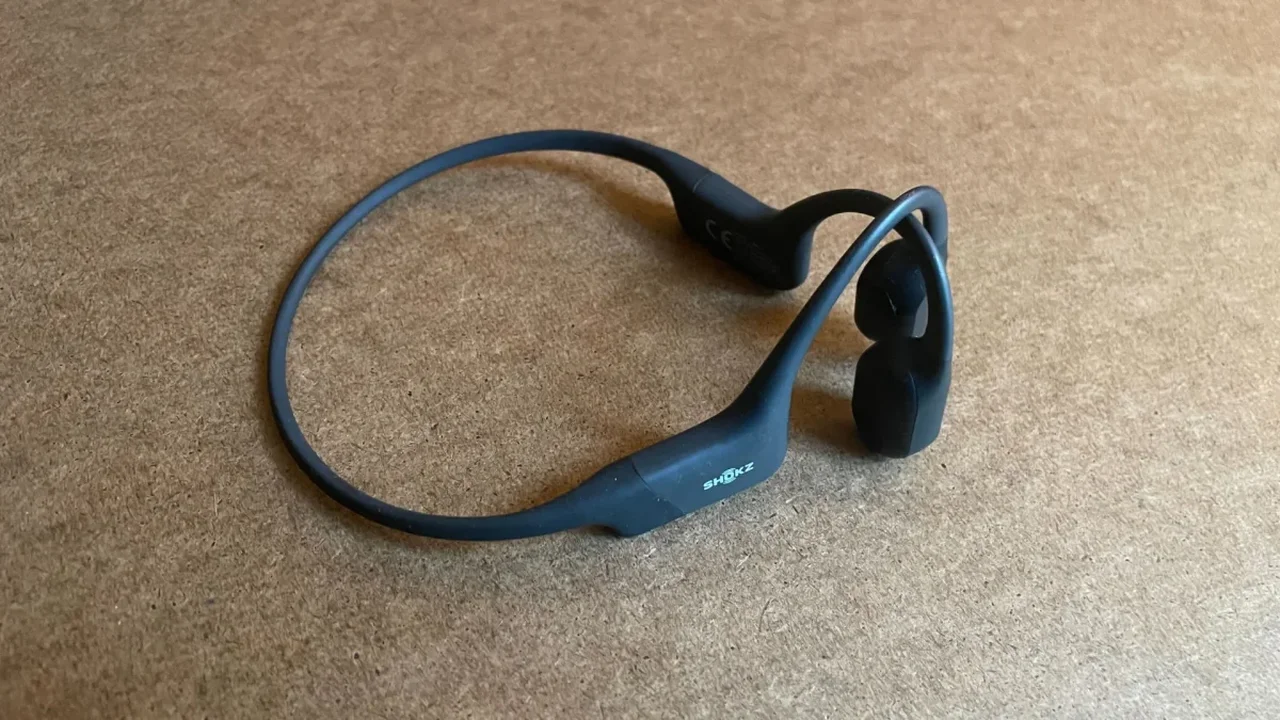
Bone conduction headphones offer a different listening path from traditional earbuds. Instead of sending sound only through the ear canal, they place small transducers against the cheekbone and send vibrations through the bones and soft tissue of the head. Those vibrations reach the inner ear, where they are interpreted as sound.
How the technology works
In normal hearing, sound travels through air, hits the eardrum, and moves the tiny bones of the middle ear. Bone conduction skips that first step. The headphones create vibrations that travel directly through the skull, which is why you can still hear audio even when your ears are not fully open.
This is also why the effect feels familiar. When you speak, part of what you hear is your own voice moving through bone and tissue. Bone conduction headphones use the same principle, but in a controlled and wearable form.
Why people use them
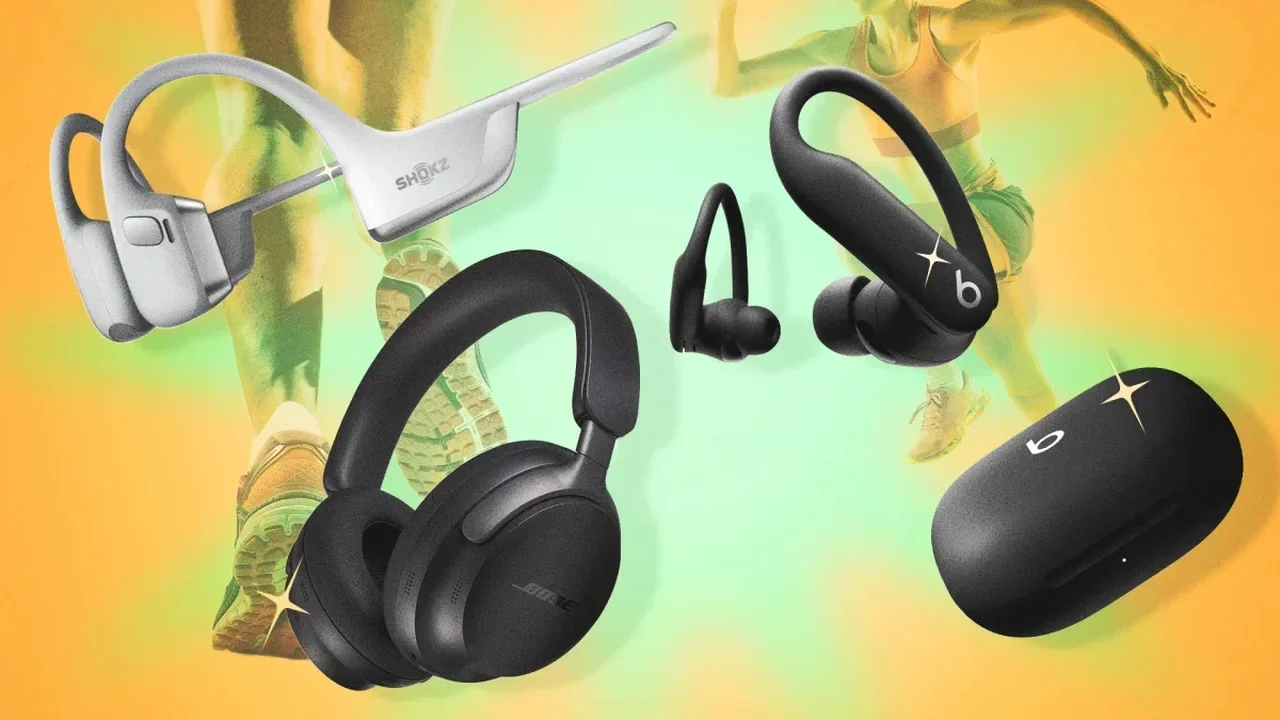
These headphones are especially useful for runners, cyclists, and anyone who wants to stay aware of their surroundings. They can also work well in noisy settings when paired with earplugs, since they do not depend on an open ear canal. That makes them a practical option for people who want audio without fully isolating themselves from the environment.
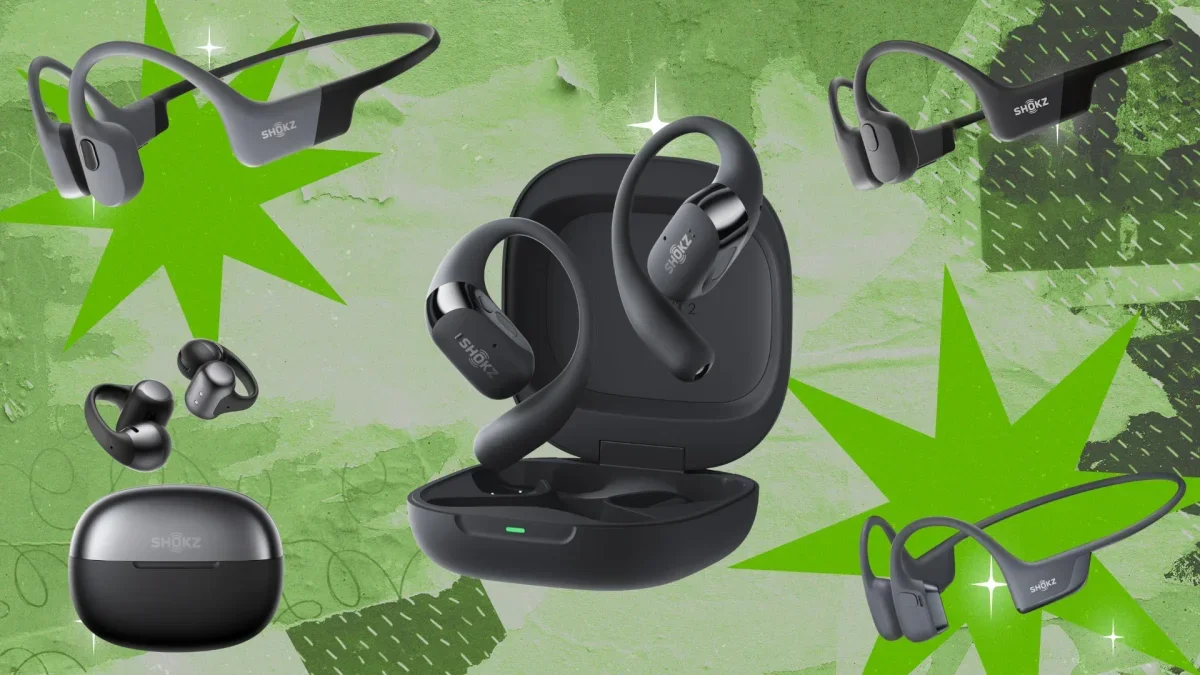
Some newer models, including hybrid designs from Shokz, combine bone conduction with air-based speakers to improve balance across frequencies and deliver fuller sound.
What to expect
The main trade-off is audio depth. Bone conduction headphones usually do not match the richness of premium earbuds or over-ear models. Their strength is not studio-level fidelity, but situational awareness, comfort, and flexibility.
For everyday movement, outdoor training, and low-volume listening, they can be a smart fit. As wearable audio continues to evolve, bone conduction may become an even more important part of the future of personal sound.