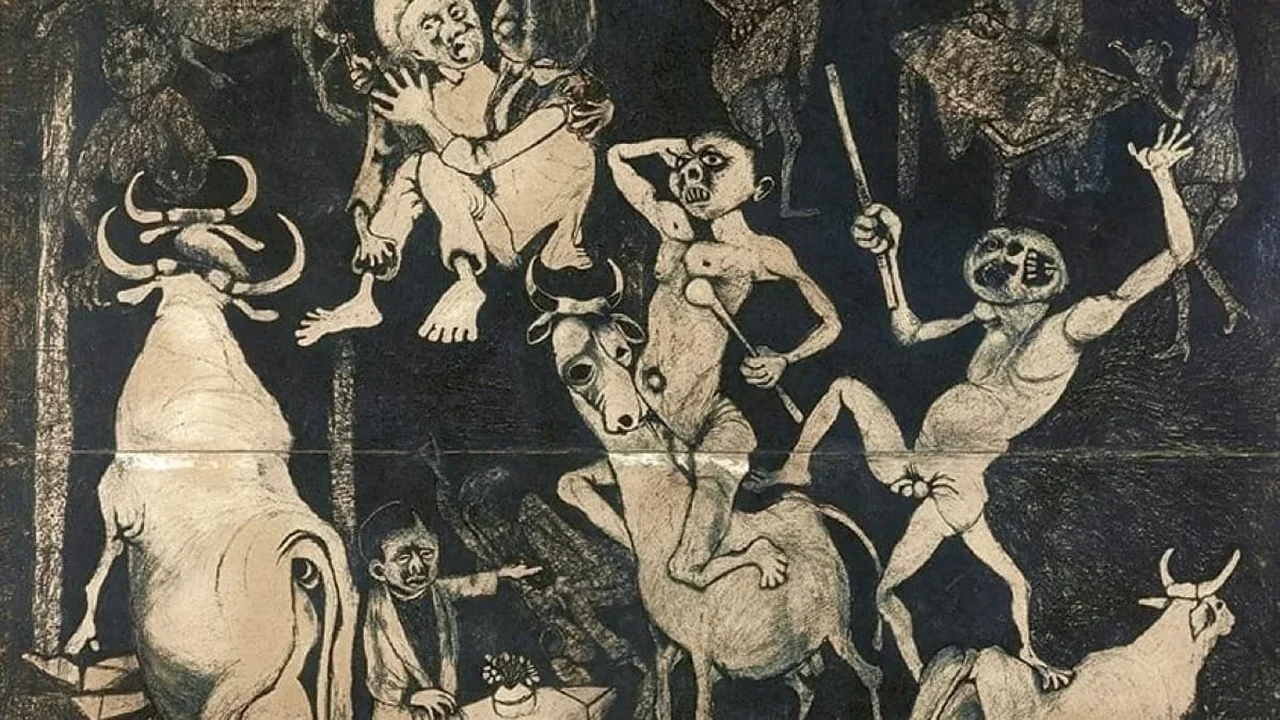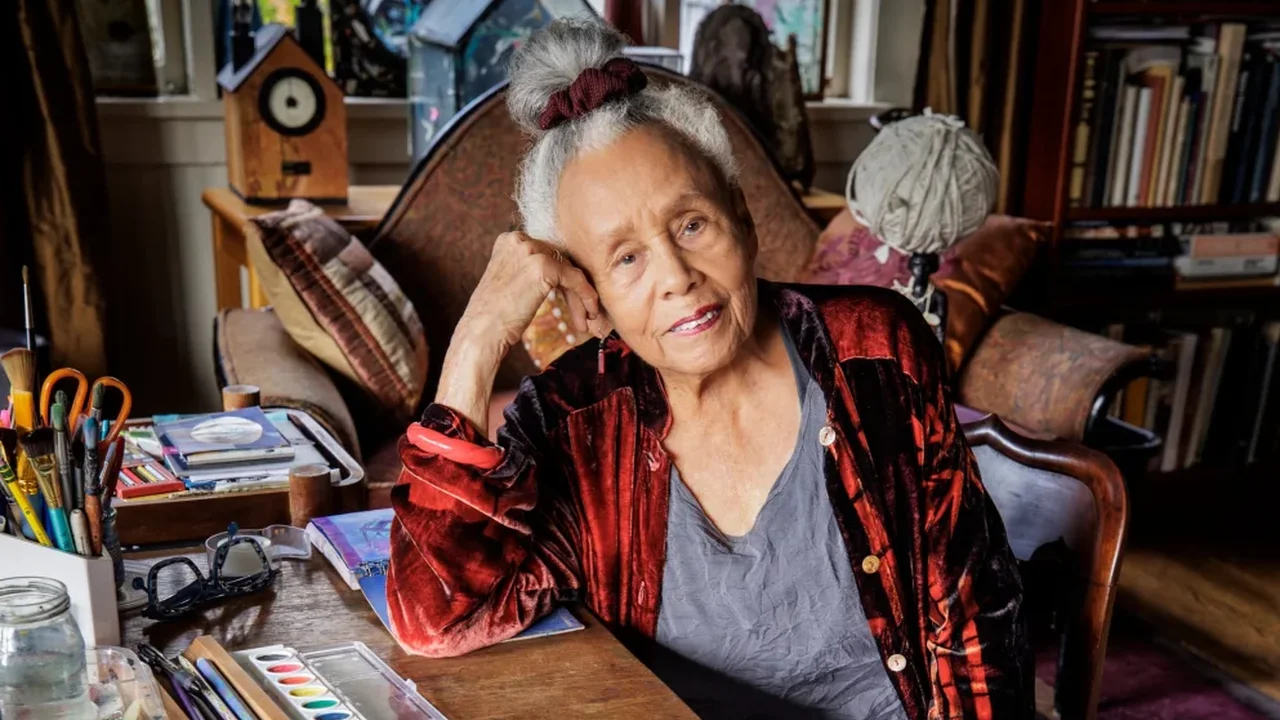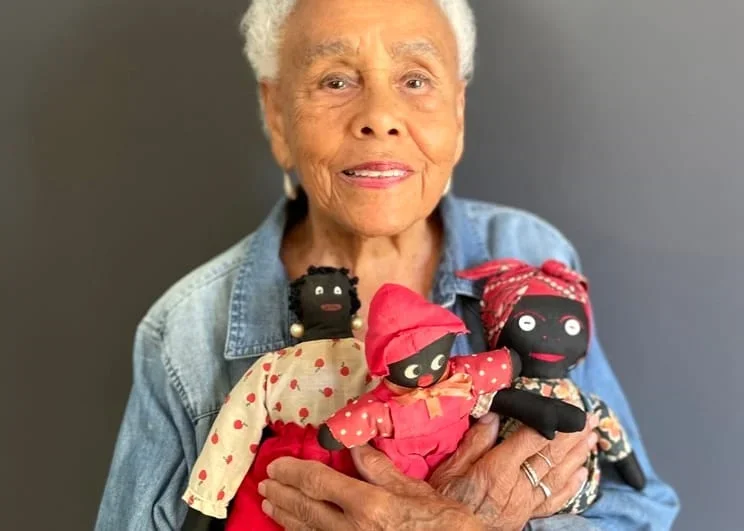
Renowned artist Betye Saar has spent decades curating a remarkable collection of ephemera, including taxidermied animals and computer parts, transforming these found objects into powerful assemblage artworks. Since the 1970s, her creations have often challenged and subverted racist imagery, with her iconic piece, "The Liberation of Aunt Jemima" (1972), marking a significant turning point in her artistic journey. "I knew I could not avoid the pain, so it became part of my art," Saar stated in 1973, as highlighted in the monograph Black Doll Blues.
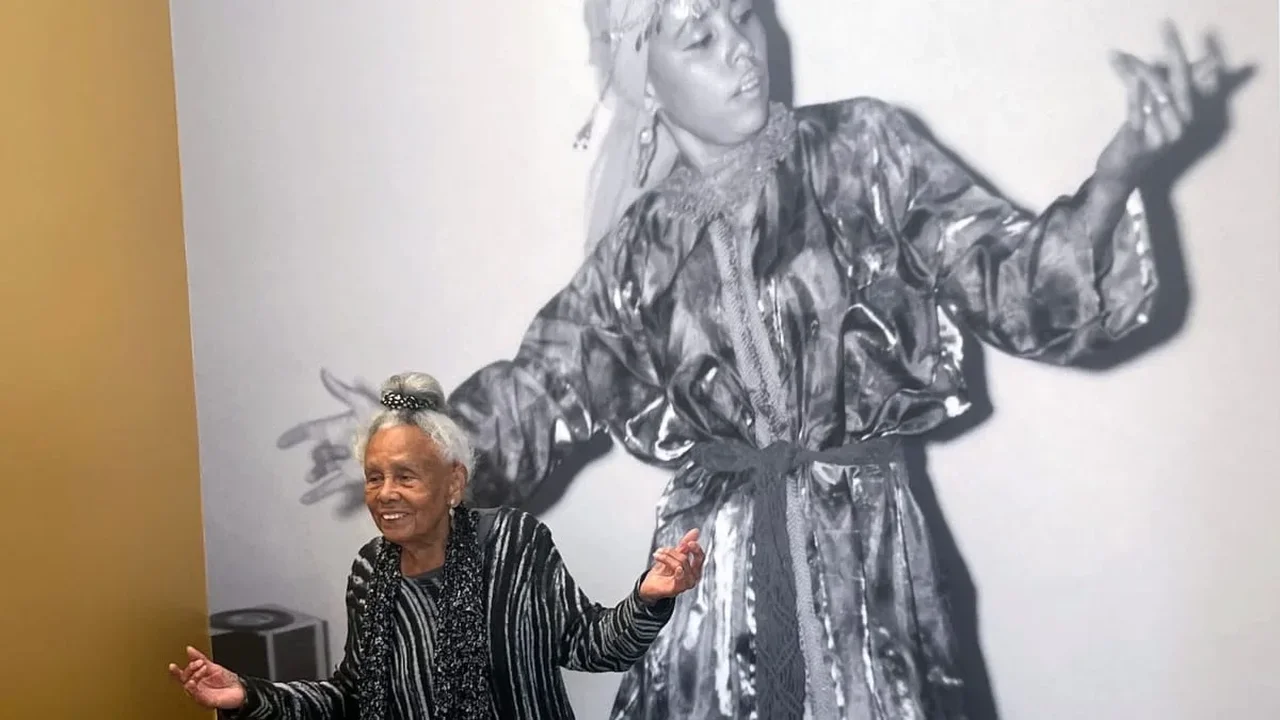
Today, her studio is a treasure trove of collected items from her international travels and flea markets, with a special shelf dedicated to her beloved collection of Black dolls, which she affectionately refers to as her "family." These dolls are currently featured in an exhibition at the New York Historical through October 4, celebrating Saar's upcoming 100th birthday and her generous promise to donate over 100 dolls to the institution.
Wendy N'lani E. Ikemoto, the vice president and chief curator of the New York Historical, noted, "The dolls are the one thing she can't discard," underscoring their profound significance in Saar's life. Co-curator Rebecca Klassen echoed this sentiment, emphasizing the honor of being entrusted with such meaningful artifacts.
Born in 1926, Saar did not have a Black doll in her childhood. Her first encounter with one came in 1949 while attending college, when she discovered an Amosandra doll. This pivotal moment ignited her passion for dolls, which she began incorporating into her art in the 1970s, featuring them in works like "Indigo Mercy" (1975) and the print "Aunt Jemima and Hoo Doo Doll" (1972).
Saar's collection spans various types of dolls, including handmade and mass-produced figures, some of which embody derogatory racial stereotypes. "They each have a history, and I feel some even have an energy of their past life," she shared in a statement. During the COVID-19 pandemic, Saar found solace in these dolls, painting them into whimsical scenes using watercolors, a medium she had rarely explored before.
These dolls, among the oldest toys in history, serve as both playthings and cultural artifacts, reflecting societal attitudes and learned racism over time. Saar's collection, dating back to the 19th century, includes minstrel and mammy dolls alongside early mass-produced Black dolls. Through her artistic lens, she recontextualizes these figures, offering them new lives and meanings beyond their original intentions.
The exhibition at the New York Historical opens with "Hoo Doo Woman," the only doll crafted by Saar herself in 1974, inspired by a mid-20th-century Haitian doll. Saar's artistic practice elevates these dolls, transforming them into symbols of resilience and cultural heritage.
As Saar continues to paint and sculpt, her work invites viewers to reconsider the narratives surrounding these dolls, suggesting a future where art can liberate and empower.