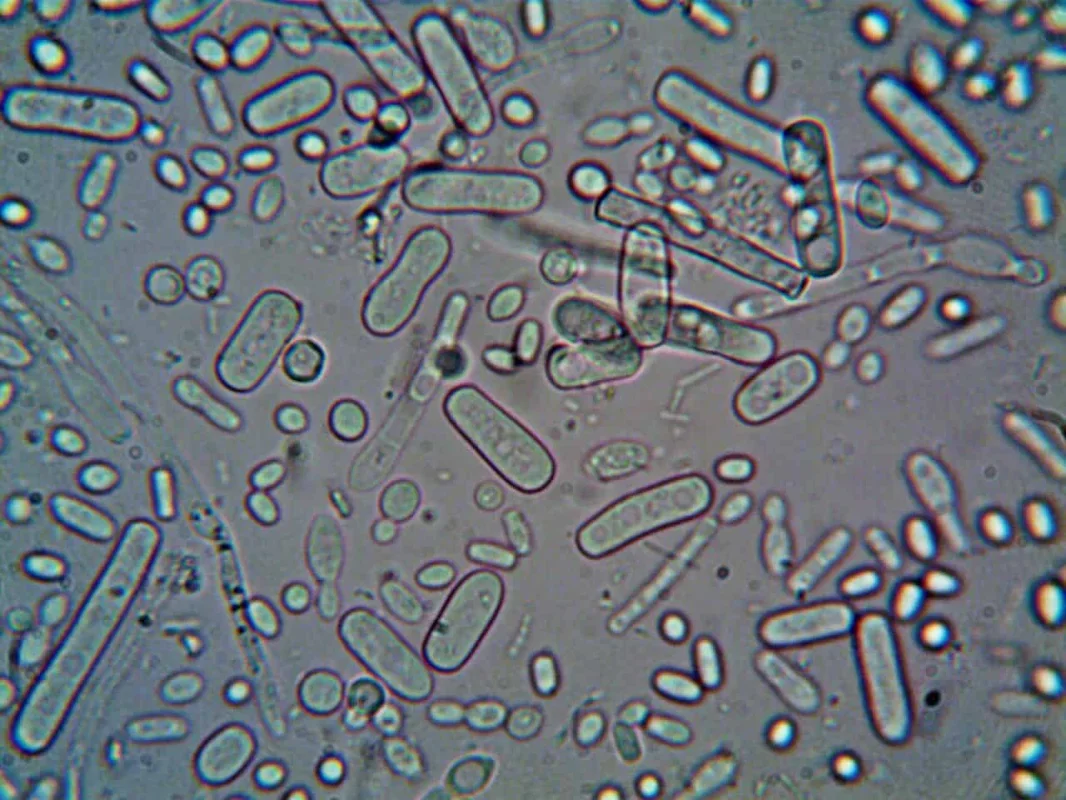
Recent research from Carnegie Mellon University and Georgia Tech has unveiled that individual E. coli bacteria can retain traces of stress, despite lacking a brain. This groundbreaking study demonstrates that these simple microbes can adapt their growth patterns based on previous nutrient fluctuations, revealing a form of memory that allows them to anticipate future conditions.
The research team utilized a microfluidic device known as the "mother machine," which allows for the observation of individual bacteria in controlled environments. This innovative setup enabled the scientists to alternate nutrient-rich and nutrient-poor conditions while closely monitoring bacterial growth through a microscope.
Findings revealed that E. coli cells exposed to rapid changes in nutrient availability adapted more swiftly than those in stable conditions. The researchers tracked around 30,000 single-cell growth histories, providing a comprehensive view of how past experiences influence future behavior. "Historically, it was believed that bacterial growth was solely dictated by present environmental factors," noted Josiah Kratz, the study's lead author. "Our findings suggest that a bacterium's history significantly impacts its current behavior."
Mechanisms of Bacterial Memory
The research proposes that the memory function in bacteria may stem from their protein synthesis machinery, particularly ribosomes. Some processes related to ribosomes respond quickly, while others evolve more gradually, allowing the cells to retain information across varying time frames.
Interestingly, this memory mechanism comes with trade-offs. While faster adaptation aids survival in fluctuating conditions, it can lead to reduced long-term growth. In essence, the bacteria seem to prioritize preparing for instability over maximizing immediate growth.
The study also introduced a mathematical model to simulate how bacteria can store information without a central nervous system. This model suggests that past nutrient conditions can shape current growth responses, paralleling how some artificial intelligence systems utilize previous data to inform new predictions.
Implications for Future Research
While the findings do not imply that bacteria possess consciousness or deliberate thought processes, they do highlight a fascinating aspect of microbial life: the ability to change behavior based on past experiences. This memory may reside within chemical networks and inherited molecules passed down through generations.
Kratz elaborated, "If a grandmother cell endures stress, the granddaughter cell may exhibit altered behavior due to that historical context." This insight could revolutionize how scientists approach bacterial infections, suggesting that a bacterium's response to antibiotics may reflect both its current state and its historical experiences.
Although this study specifically focused on nutrient variations in E. coli, further research is needed to determine whether similar adaptive behaviors occur in response to antibiotics or in other bacterial species and environments, such as the human gut. Overall, this study contributes to a growing understanding of microbes as dynamic entities capable of learning from their environments.
Published in the journal PRX Life, this research paves the way for new perspectives on microbial behavior and resilience, potentially influencing future studies in microbiology and medicine.