Scopeora's morning roundup highlights three conversations shaping today's art and culture landscape: museum access, the upkeep of public art, and how artists are remembered.
Lucas Museum and the debate over access
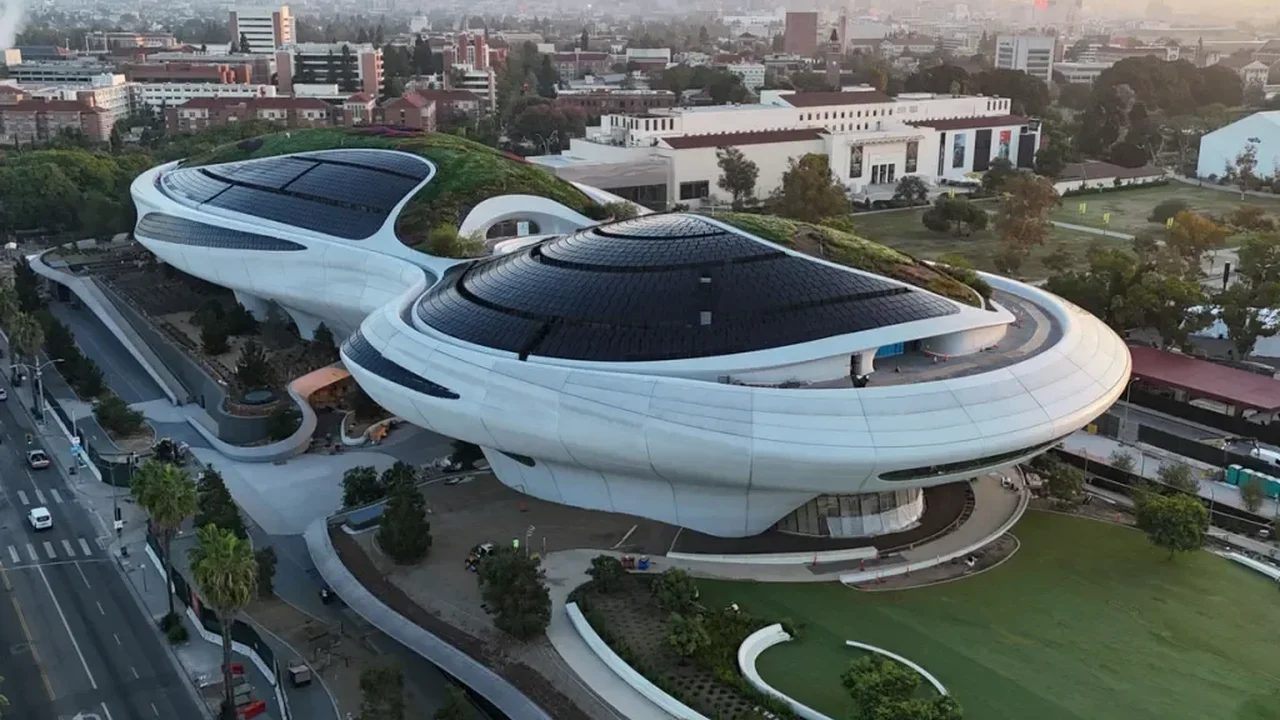
The upcoming Lucas Museum of Narrative Art in Los Angeles has drawn attention for its $25 admission fee and annual memberships reaching $600. Backed by George Lucas, the museum will offer free gardens and public spaces, but it has not committed to universal free entry. That decision has sparked discussion about how major cultural institutions can balance ambitious programming with broad public access, especially in South Los Angeles.
Banksy works and public spending
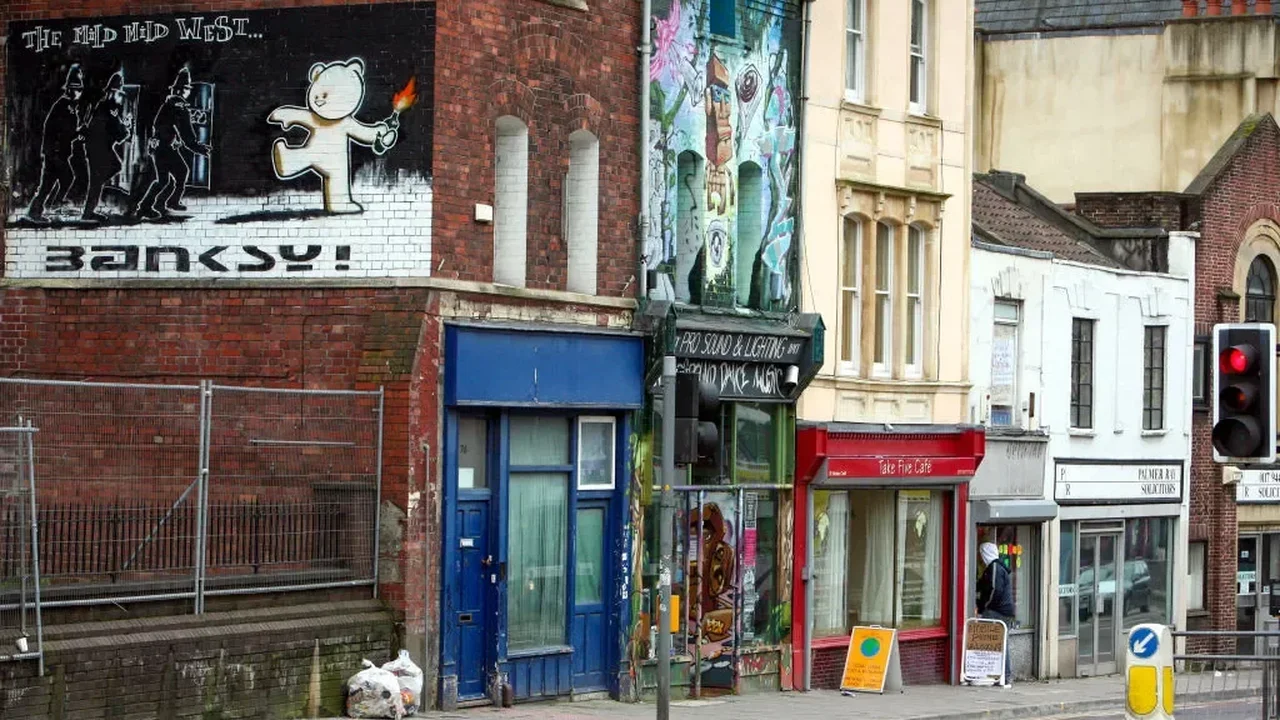
In the UK, three public works by Banksy have generated nearly £150,000 in cleaning, security, and related costs. The largest expense was tied to a mural on London's Royal Courts of Justice, while other spending covered the protection and removal of additional pieces. The figures have renewed interest in the evolving role of street art in civic spaces and the resources cities dedicate to preserving it.
Peter Schlesinger revisits his place in art history
Artist Peter Schlesinger, once closely associated with David Hockney, has said he no longer wants to be defined only as the painter's muse. Schlesinger, now known for his own work in ceramics and photography, reflected on a relationship that influenced some of Hockney's best-known paintings, including Portrait of an Artist (Pool with Two Figures). His comments add a fresh perspective on authorship, identity, and artistic legacy.
Together, these stories show how museums, public art, and personal narratives continue to shape the cultural conversation--and how future institutions may be judged as much by access and context as by scale.