Tate Modern has opened a major retrospective dedicated to Ana Mendieta, bringing together more than 120 works that trace the artist's wide-ranging practice across photography, land art, sculpture, and film.
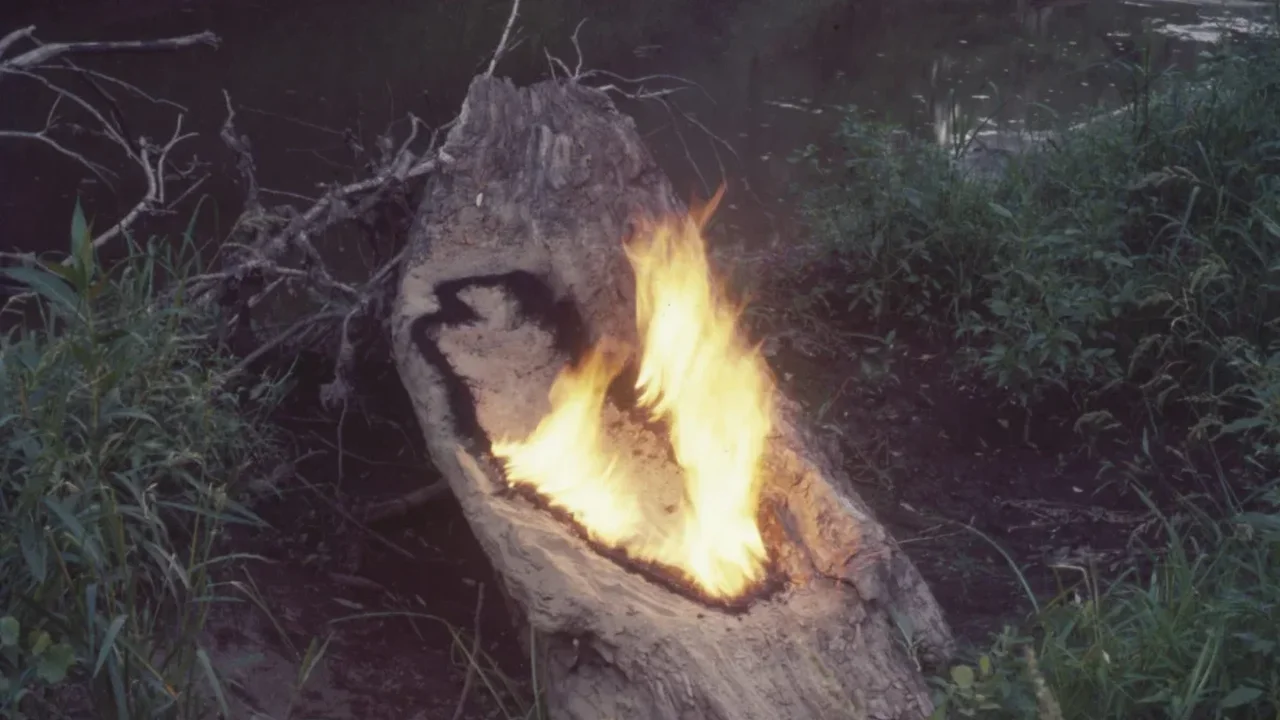
At the heart of the exhibition is the Silueta Series, Mendieta's best-known body-of-work, in which she shaped the human form into mud, stone, water, forests, and other natural settings. These pieces turn the landscape into both canvas and collaborator, creating images that feel intimate, elemental, and enduring.
Mendieta often described her practice as "earth-body" art, a language that connected identity, memory, and nature. Her work also reflects her personal experience of displacement after leaving Cuba as a child, giving her art a deeply human dimension that still resonates today.
The survey also highlights her early self-portraits, playful experiments with flowers and hair, and later works that became more meditative and symbolic. Across these phases, Mendieta explored presence and absence, fragility and strength, and the emotional power of materials drawn from the natural world.
By placing her work in a contemporary museum context, Tate Modern underscores how Mendieta's vision speaks to current conversations around ecology, belonging, and the relationship between people and place. The exhibition runs in London through January 17, 2027. Her legacy suggests a future where art and environmental awareness continue to move closer together.