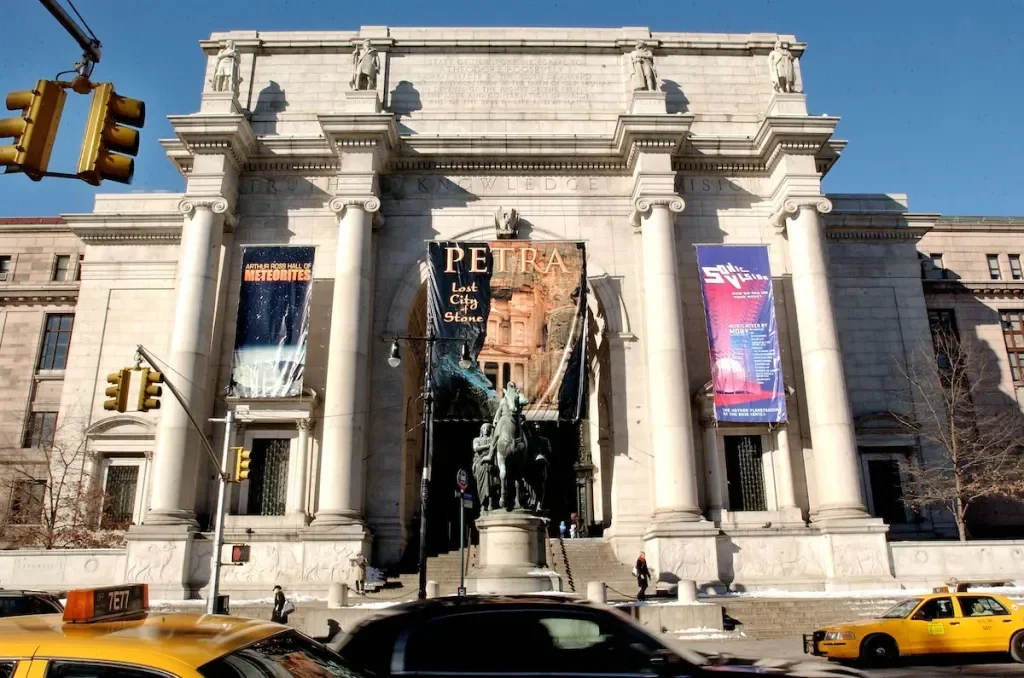
The American Museum of Natural History in New York is preparing to repatriate 2,700 Native American hair samples collected in the 19th century, marking a significant step under the Native American Graves Repatriation Act (NAGPRA).
The samples were originally gathered for the 1893 Chicago World's Fair and later entered the museum's collection. Under updated interpretations of the law, hair is now recognized as human remains unless an institution can show it was freely given or naturally shed.
The move follows broader changes in museum practice, including renewed consultation with tribal communities and revisions to Native American galleries at the institution. Museum leaders have also contacted roughly 150 tribes connected to the samples, among them the Choctaw, Cree, Sioux, Chippewa, Crow, Menomini, Munsee, Omaha, and Oneida.
The museum has also called for greater public funding to support NAGPRA-related work across the United States. The decision reflects a growing commitment in cultural institutions to align research, preservation, and community partnership with modern ethical standards.
As museums continue to evolve, this approach may help shape a more collaborative future for cultural stewardship and historical accountability.