Artificial intelligence is advancing so quickly that its vocabulary is evolving alongside it. From LLMs and RAG to newer concepts such as opaque recurrence, the language of AI is becoming essential for anyone following the field.
Key terms driving the conversation
AGI, or artificial general intelligence, describes systems that could match or exceed human ability across a wide range of tasks. An AI agent goes a step further, carrying out multi-step actions on behalf of a user, while coding agents focus on writing, testing, and improving software.
Behind these capabilities are the technical foundations that power modern AI. Compute refers to the processing power needed to train and run models, while inference is the stage where a trained model generates responses. Concepts such as training, fine-tuning, and transfer learning explain how models gain and adapt knowledge for specific uses.
How models learn and respond
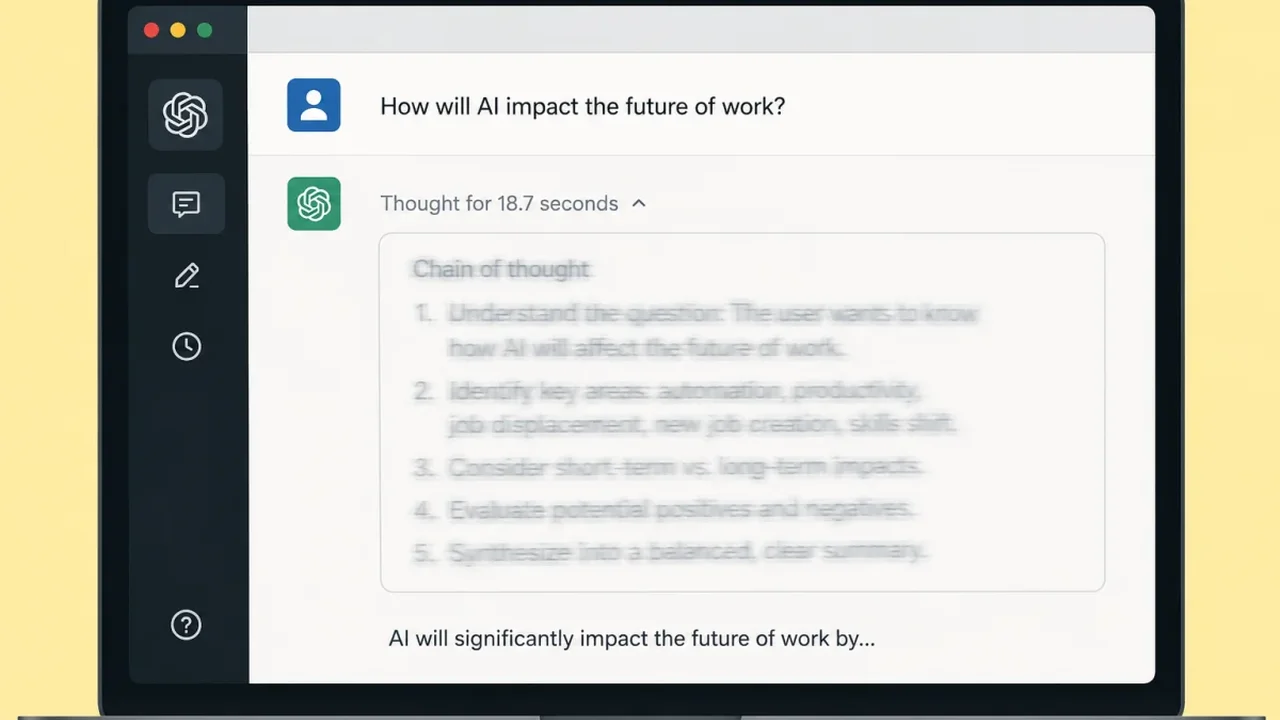
Many current systems are built on deep learning, neural networks, and large language models that learn patterns from massive datasets. Techniques like reinforcement learning help models improve through feedback, while chain of thought reasoning encourages step-by-step problem solving. Other methods, including diffusion, distillation, and mixture of experts, support faster, more efficient, or more specialized performance.
The glossary also highlights practical infrastructure terms such as API endpoints, memory cache, token throughput, and Model Context Protocol, all of which help AI systems connect, scale, and respond more efficiently. At the same time, ideas like hallucination and validation loss remain important reminders that reliability and accuracy are central to progress.
As AI tools become more capable, terms like open source, parallelization, and weights are no longer just technical jargon; they are part of a wider digital literacy shaping how people build and use intelligent systems. This evolving vocabulary suggests a future where understanding AI will be as important as using it.