Paleontologists have long examined ancient footprints, seeking to determine which creatures left them behind. Some tracks suggest the presence of carnivorous dinosaurs, while others may belong to herbivorous species or even early avian ancestors.
Instant Analysis Through Technology
The innovative DinoTracker app allows researchers and dinosaur enthusiasts to upload images or sketches of footprints via their mobile devices, providing immediate insights. This app analyzes the structure and form of the tracks to infer which dinosaur species likely made them.
Fossilized dinosaur footprints are crucial for understanding prehistoric behaviors and movements. However, interpreting these tracks can be challenging as their shapes may change over time.
Advancing Beyond Conventional Techniques
Previously, scientists depended on manually curated databases that associated specific footprints with particular dinosaurs. This method could introduce bias, particularly when the identity of a track was unclear.
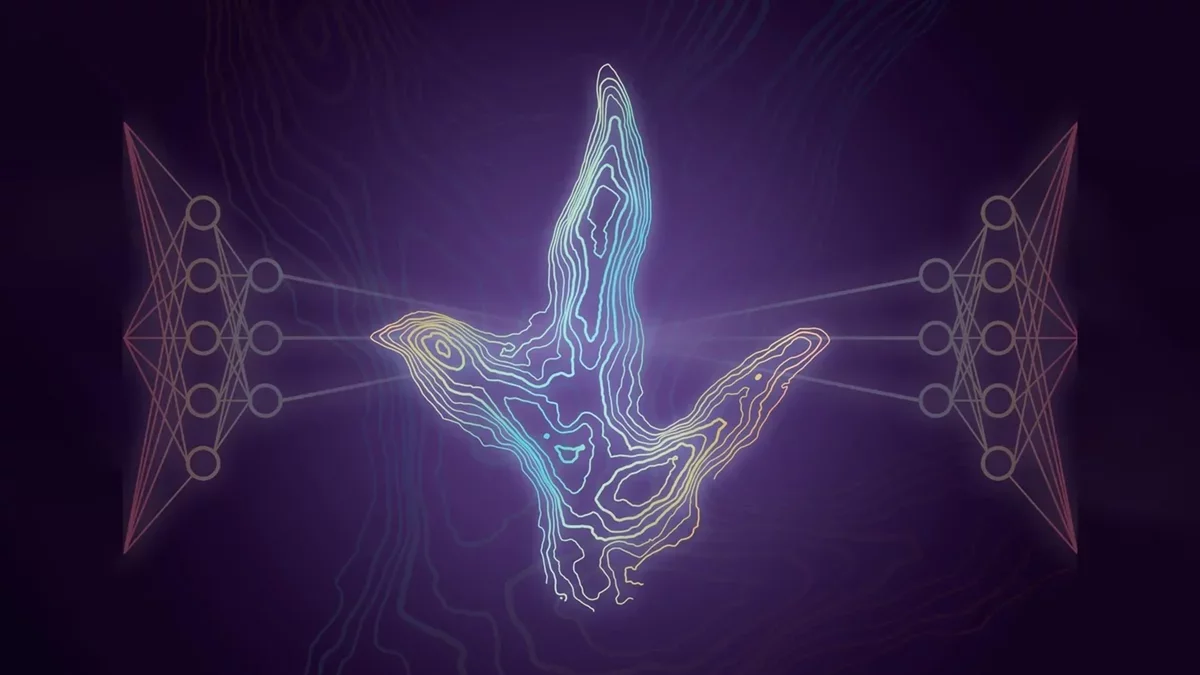
To overcome this challenge, a research team from the Helmholtz-Zentrum in Berlin, in collaboration with the University of Edinburgh, developed sophisticated algorithms that enable computers to independently learn the variations in dinosaur footprints.
The AI was trained on nearly 2,000 genuine fossil footprints, supplemented by millions of simulated examples to replicate realistic changes like compression and edge displacement that occur over time.
Key Features Identified by AI
The model identified eight significant characteristics that differentiate footprints, including toe spread, heel position, surface area contact, and weight distribution across the foot.
After recognizing these variations, the system compared new footprints to known fossil examples, predicting which dinosaur species most likely made the tracks.
In evaluations, the algorithm aligned with expert classifications approximately 90 percent of the time, even for species that are often difficult to identify.
Surprising Connections to Avian Species
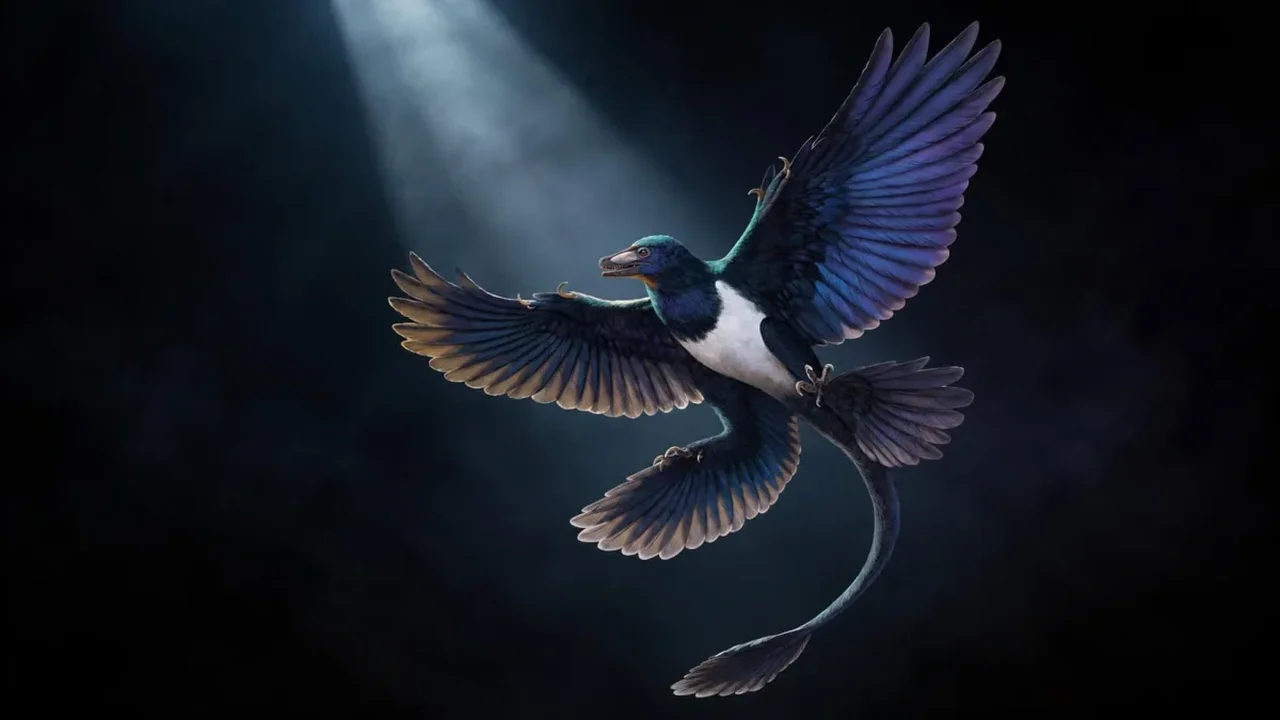
One of the most intriguing discoveries involved tracks over 200 million years old. The AI found remarkable similarities between certain dinosaur footprints and those of both extinct and modern birds.
This suggests that birds may have appeared tens of millions of years earlier than previously thought, or that some early dinosaurs coincidentally had bird-like feet.
New Discoveries in Scotland
The technology also provided insights into enigmatic footprints on the Isle of Skye, formed on the muddy shores of a lagoon around 170 million years ago, which have puzzled scientists for years.
Analysis indicates these footprints could belong to some of the earliest known relatives of duck-billed dinosaurs, marking them as significant finds in paleontological history.
Engaging the Public in Paleontological Research
This technology opens new avenues for studying dinosaur behavior and movement, allowing the public to engage in fossil research by analyzing footprints themselves.
Published in PNAS, the study was supported by various initiatives, including the BMBF-Project: Data-X and the National Geographic Society.
Dr. Gregor Hartmann from Helmholtz-Zentrum stated, "Our method offers an unbiased approach to recognizing footprint variation and testing hypotheses about their creators. It's an invaluable tool for research and education."
Professor Steve Brusatte from the School of GeoSciences remarked, "This study represents a significant advancement in paleontology, providing an objective, data-driven classification method for dinosaur footprints, which has challenged experts for over a century."
"It unveils exciting new opportunities to understand how these magnificent creatures lived and moved, and when major groups like birds first appeared. This computer network may have identified the world's oldest birds, showcasing a remarkable application of AI."