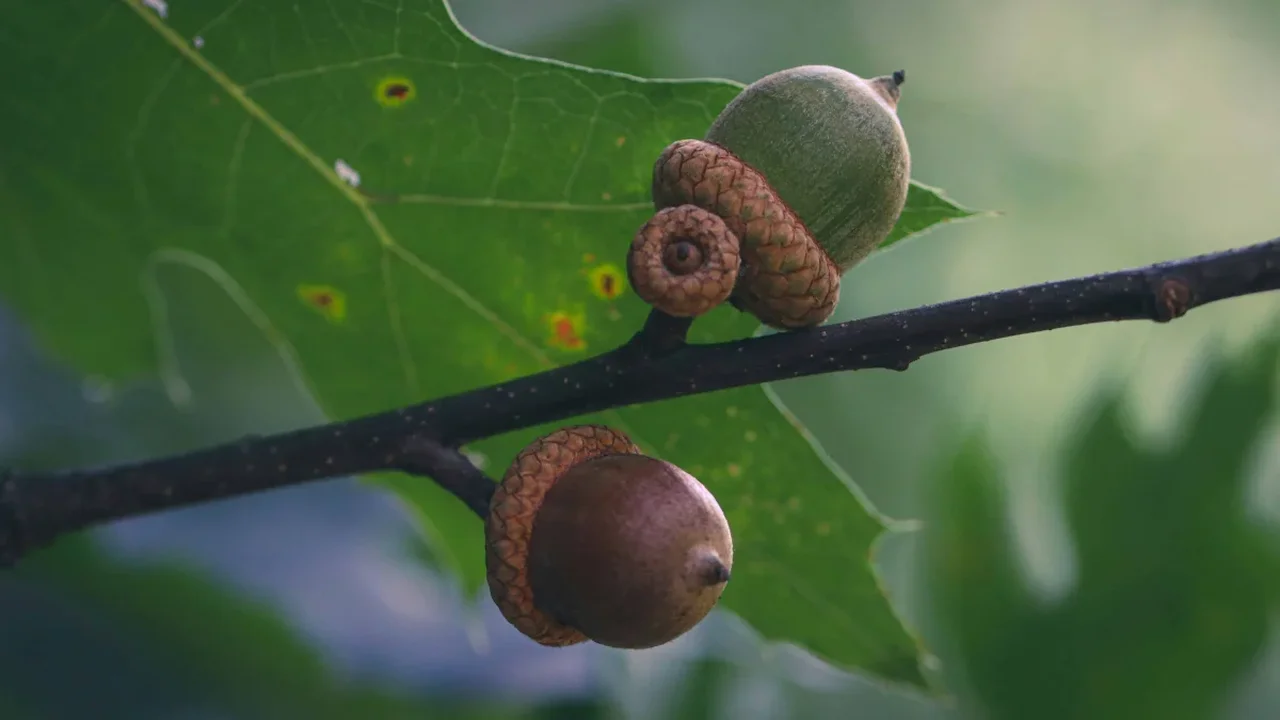
A heavy acorn season may offer an early clue about future tick activity. Long-term research in Dutchess County, New York, suggests that oak seed production can help predict changes in Lyme disease-carrying tick populations nearly two years in advance.
A forest-wide chain reaction
In years when oak trees produce abundant acorns, white-footed mice can find more food and their populations may grow. These mice are important hosts for blacklegged ticks and are efficient at transmitting the bacterium that causes Lyme disease.
After feeding on mice, tick larvae develop into nymphs, which emerge the following year. The nymphal stage is responsible for most Lyme disease cases. A new analysis of observations collected since 1991 at the Cary Institute of Ecosystem Studies found that years with more mice were followed by about 40% more nymphal ticks, according to the researchers' best-supported statistical model. Acorn production helped anticipate mouse numbers a year earlier.
One indicator among many
Published in the Proceedings of the National Academy of Sciences, the study also found that deer numbers did not reliably predict nymphal tick abundance at the research sites. Deer remain part of the tick life cycle, but their fluctuating numbers were not a useful indicator of year-to-year changes in nymphs.
The share of nymphal ticks carrying the Lyme bacterium also stayed relatively steady--about 15-30%--despite changes in mouse abundance. Other animals, including squirrels, chipmunks and birds, may influence how often ticks encounter infected hosts.
Acorn counts alone cannot forecast Lyme disease risk. Combined with data on mice, ticks and other wildlife, however, they could help researchers and public-health teams identify periods when prevention efforts may be especially useful. This ecological approach could make future risk assessments more timely by turning changes in forest food supplies into an early signal.