Every home, regardless of its condition, requires regular maintenance. While hiring professionals is an option, many homeowners prefer to take on DIY projects as a way to save money and gain skills. However, beginners often encounter common pitfalls that can lead to frustrating results. Here are some key mistakes to avoid to ensure your DIY endeavors are successful.
Don't Over-Tighten Connections
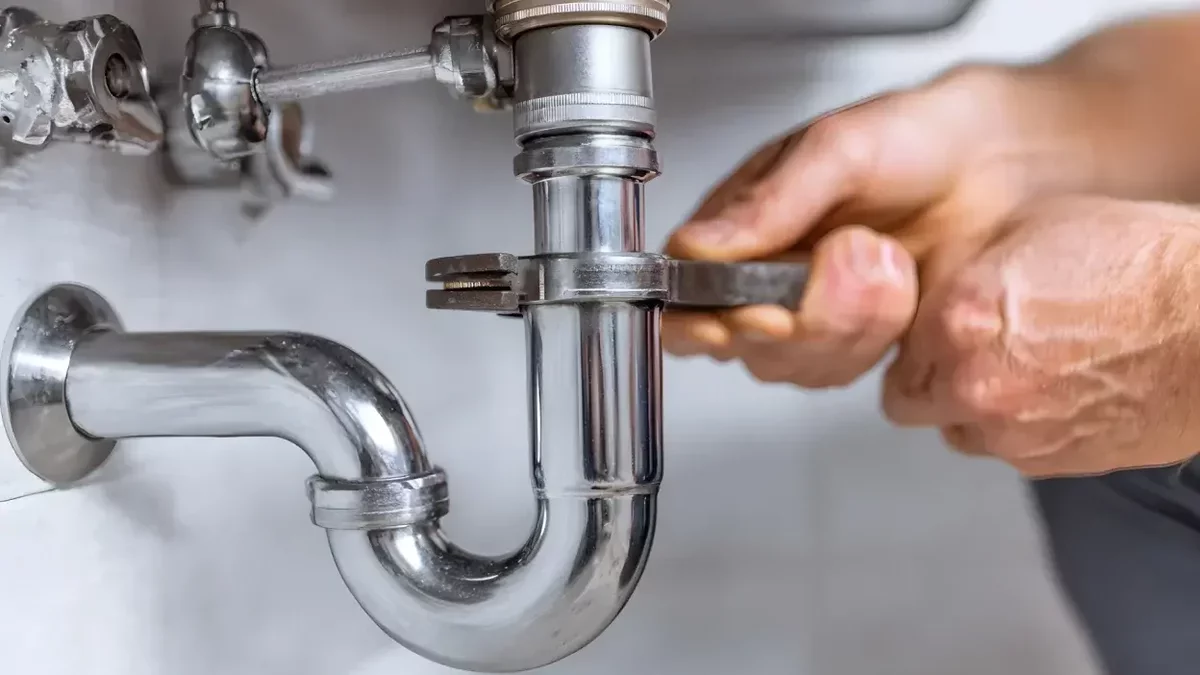
A frequent error among novice DIYers is the belief that more tightness equates to better security. This is particularly true in plumbing tasks. While it's understandable to want to prevent leaks, over-tightening can create subtle cracks that may lead to significant issues later on. The best practice is to ensure connections are snug and watertight without excessive force.
Caulk with Caution
Re-caulking is essential for maintaining your bathroom, but doing so with an empty tub can cause your efforts to fail quickly. A full tub alters the surface tension and ensures that the caulk adheres properly. Always caulk when the tub is filled to avoid premature failure.
Safety First: Turn Off Water and Power
Before starting any project, ensure that you've turned off the relevant water supply and electrical power. This precaution can prevent costly accidents, keeping both you and your home safe. It may seem like an unnecessary step, but it's crucial for your safety.
Test Your Tools
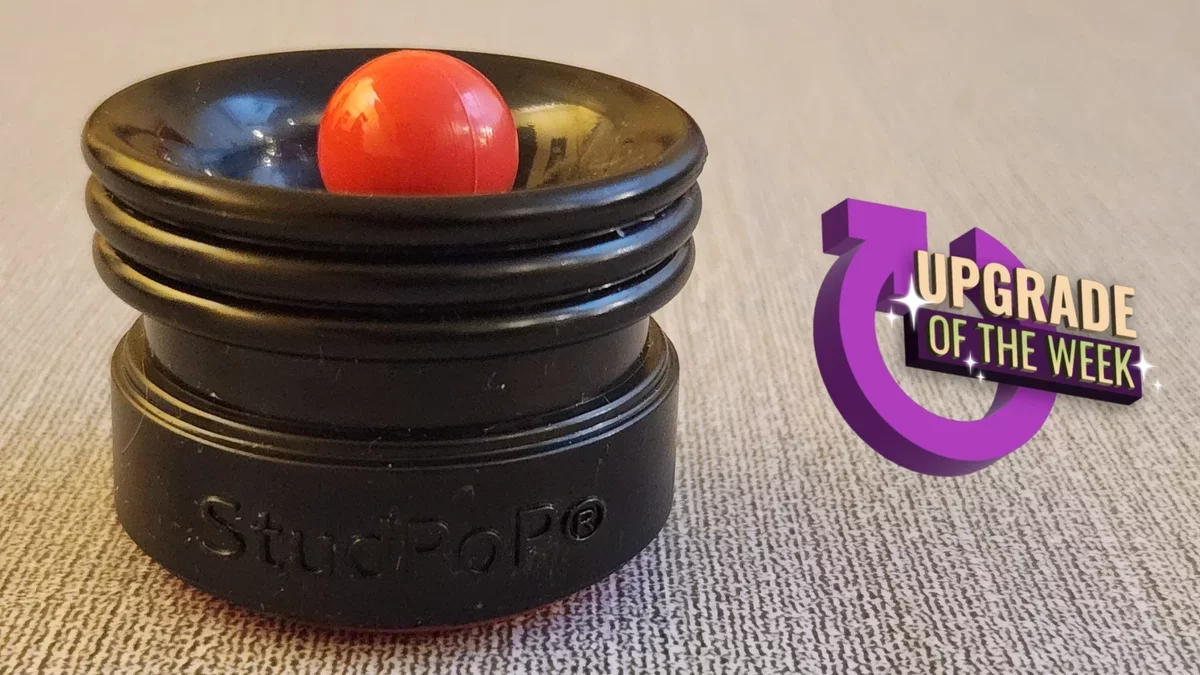
Before relying on any tool for your project, verify its functionality. Testing tools like stud finders or voltage testers can help ensure accuracy and safety, preventing potential mishaps during your DIY tasks.
Account for the Kerf
Understanding the concept of kerf--the width of the cut made by your saw blade--is vital for achieving precise cuts. Neglecting to factor this in can result in inaccurate measurements, which could affect the overall outcome of your project.
Check for Hidden Pipes and Wires
When drilling into walls, it's essential to check for any hidden plumbing or electrical wiring. Using a wall scanner can help you avoid costly mistakes that could lead to leaks or electrical failures.
Clean Before You Paint
Cleaning surfaces before painting is crucial. Dust and debris can lead to unsightly results and poor adhesion. Always take the time to vacuum and wipe down areas before applying paint.
Use Painter's Tape Wisely
While painter's tape can aid in achieving clean lines, it's not a substitute for technique. Proper brushwork and careful application are still necessary to avoid paint bleeding.
Accurate Cutouts for Outlets and Switches
When cutting openings for outlets, precision is key. Inaccurate cutouts can complicate installation, leading to additional work or the need for replacement materials.
Handle Screws with Care
Stripping screws is a common mistake for beginners. Use the correct bit, start slow, and maintain a perpendicular angle to avoid this issue and ensure a smooth project.
Invest in the Right Tools
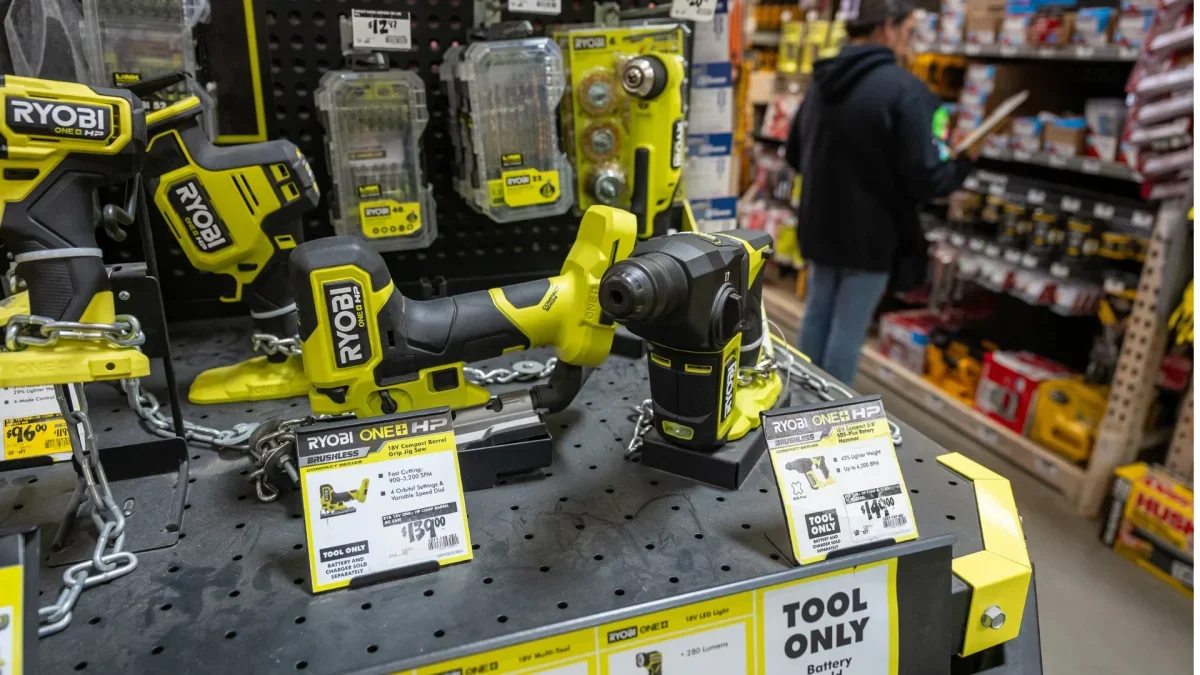
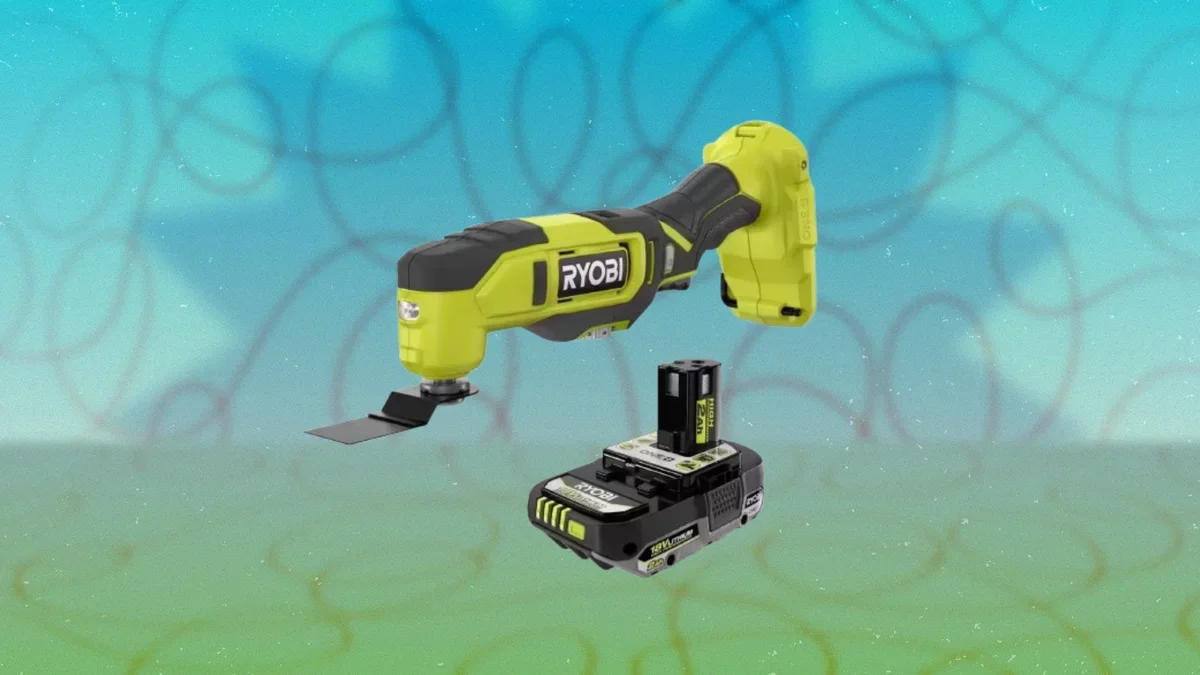
Using inadequate tools can lead to frustration and poor results. It's essential to have the right equipment for each task to achieve the best outcomes.
Choose the Right Materials
Using the correct materials for your project is crucial. Interchanging materials can lead to failures, so always select products designed for the specific task at hand.
Document Your Disassembly Process
When taking apart items for repairs, documenting the process can save you trouble later. Taking photos and notes will help you remember how to reassemble everything correctly.
Measure Accurately
Eyeballing measurements can lead to costly mistakes. Always use a tape measure and level to ensure accuracy in your projects.
Don't Overwork Paint
When painting, avoid the temptation to overwork the paint. Allow each coat to dry fully before applying another to achieve a smooth finish.
By keeping these tips in mind, DIY enthusiasts can navigate their projects with greater confidence and success. Embracing these practices not only enhances the quality of work but also empowers individuals to take on increasingly complex tasks in the future.